Homeschooling With a Baby: A Realistic Guide for Moms
Homeschooling is already a big responsibility. Adding a baby to the mix can make it feel overwhelming.
Many moms wonder if homeschooling should pause during the baby years. Between feeding schedules, naps, diaper changes, and sleep deprivation, it may seem impossible to maintain any kind of school routine.
But the truth is that homeschooling with a baby is not only possible, it is incredibly common in homeschool families. In fact, I myself and many other experienced homeschool parents will tell you that babies often make homeschooling more natural, slower, and more family-centered.
The key is adjusting your expectations and creating a gentle rhythm that works with your baby instead of against them.
In this guide, you will learn:
• how to homeschool with a baby
• a simple homeschool routine with a baby
• practical strategies that make homeschooling easier during the baby stage
• encouragement for overwhelmed homeschool moms
If you are feeling discouraged or behind, take a deep breath. This season of homeschooling may look different, but it can still be meaningful and successful.
Can You Homeschool With a Baby?
One of the biggest concerns moms have is whether homeschooling is even realistic with a newborn or infant.
The answer is yes.
Many homeschool families grow while homeschooling. Babies are simply a natural part of family life, and homeschool routines often adjust around them.
In fact, babies can sometimes make homeschooling easier in unexpected ways. Younger children often enjoy helping with the baby, reading quietly near mom, or working independently during nap times.
The baby years also naturally encourage a slower pace. Homeschooling becomes less about strict schedules and more about learning woven into everyday life.
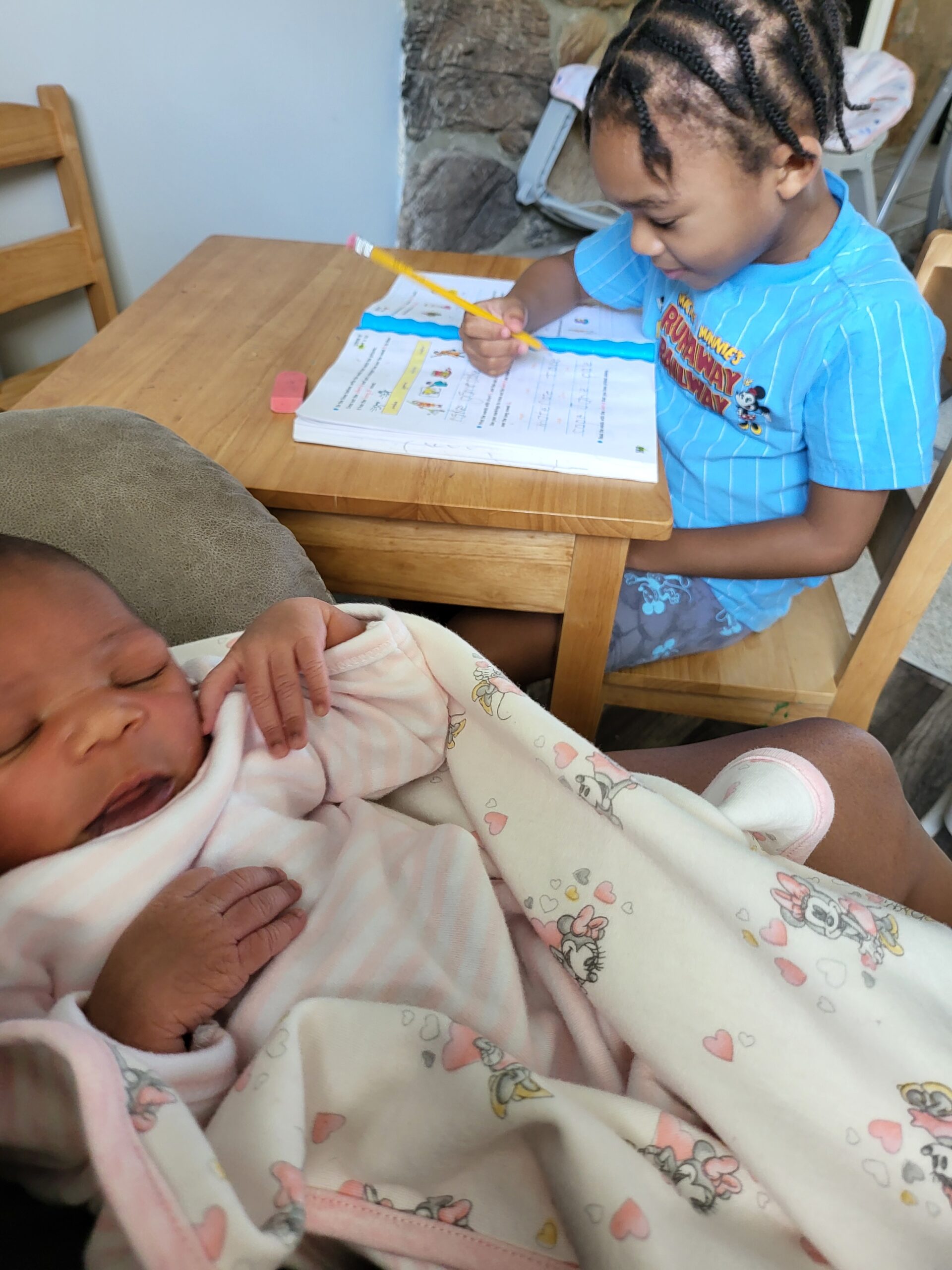
When I brought home my 2 day old newborn, I had not idea how I would adjust to homeschooling with a baby. My older child was only 5 years old, and still pretty young himself. The first week was easy, (our baby slept a lot), but as she got older, and I became more sleep deprived, things started to get a bit more challenging.
Although, it was a challenge, it wasn’t impossible. I had to make a few changes along the way, but here’s what I learned… Instead of thinking of homeschooling as something separate from your daily routine, it helps to see it as part of your family rhythm.
Reading together on the couch, listening to audiobooks while feeding the baby, or practicing math during snack time all count as meaningful learning. Some days we homeschooled at the kitchen table, other days I was in the nursery. In a way it seemed “out of the norm”, but it actually allowed for new experiences and learned flexibility, a wonderful trait to have as a homeschool mom!
My son also enjoyed the change of environment and routine, especially when we homeschooled in the park after pushing the baby around until she fell asleep. That made for some really beautiful and memorable moments,
Homeschooling with a baby may require flexibility, but it is far from impossible.
Common Challenges of Homeschooling With a Baby
While homeschooling with a baby can be rewarding, it also comes with real challenges. Understanding these challenges helps you prepare for them and adjust your expectations.
Interrupted Schedules
Babies do not follow strict schedules, especially during the newborn stage. Therefore, feedings, diaper changes, and unexpected fussiness can interrupt lessons throughout the day.
Trying to maintain a rigid homeschool schedule often leads to frustration. So instead of expecting uninterrupted learning blocks, it helps to plan shorter lessons that can pause when needed.
Fatigue and Sleep Deprivation
Many moms are navigating sleepless nights during the baby stage. Lack of sleep can make it harder to focus on planning lessons or maintaining patience during school time. During this season, simplifying homeschool expectations becomes essential.
Managing Multiple Ages
If you have several children, balancing the needs of a baby, while teaching older kids can feel complicated. Older children may need help with lessons while the baby needs attention. This is why many homeschool families rely more heavily on group learning, read-alouds, and independent work during this stage.
Feeling Behind
One of the most common struggles homeschool moms experience during the baby years is the feeling of falling behind. When lessons get interrupted or skipped, it can feel like progress has stopped, but the truth is that homeschooling is not a race. Children can continue learning even during slower seasons. The key is to have balance!
Adjusting Expectations During the Baby Season
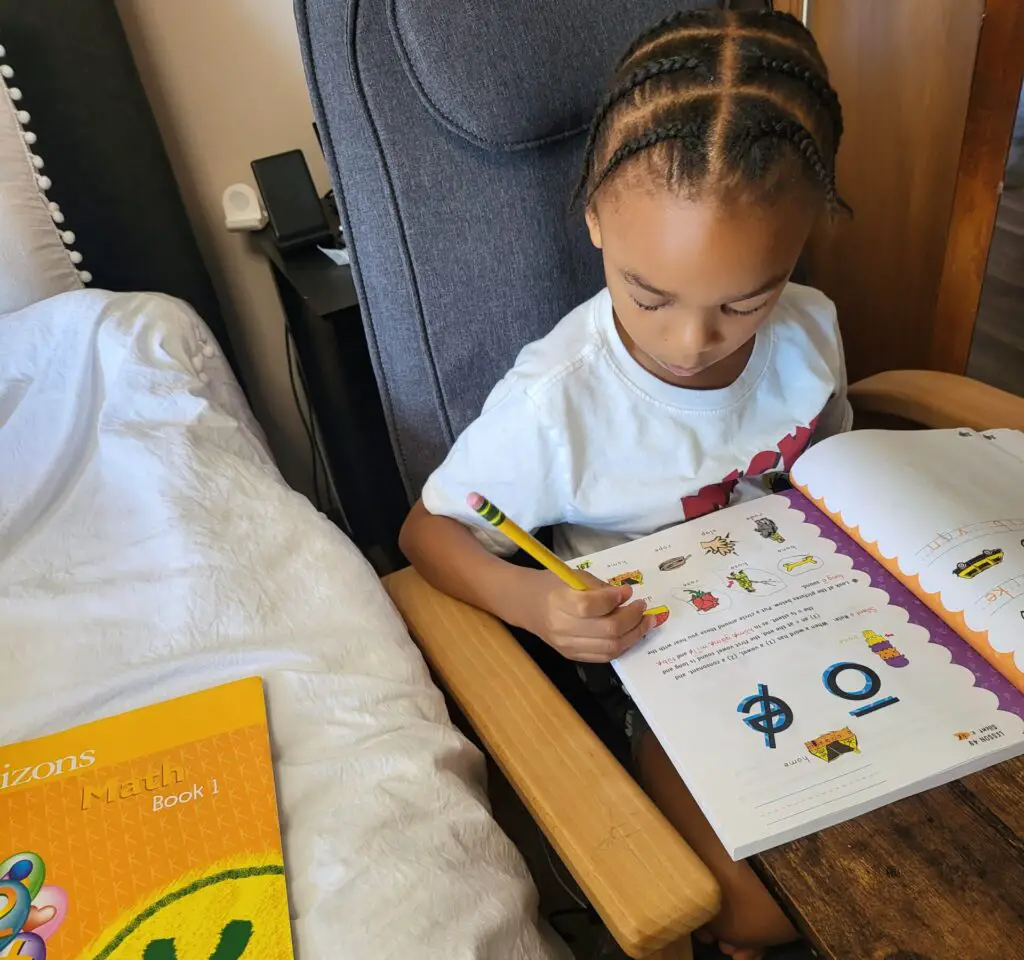
The most important mindset shift when homeschooling with a baby is learning to adjust expectations. The baby stage is temporary, and it is okay if homeschooling looks different during this time.
Instead of trying to maintain a full academic schedule, many homeschool families focus on the essentials.
These often include:
• reading
• math
• family learning
• life skills
Reading together is one of the most valuable learning activities you can do during this stage. Even a simple read-aloud time can strengthen vocabulary, comprehension, and imagination.
Math can often be done in short lessons that take only 10–20 minutes each day.
Life skills also become a natural part of homeschooling when you have a baby. Older children may help with chores, cooking, or caring for younger siblings.
These experiences teach responsibility, independence, and real-world skills.
Remember from my earlier examples, that learning does not only happen at a desk. It happens through daily life. Even preparing a meal and allowing you child to measure out the ingredients can be turned into a learning lesson.
A Simple Homeschool Routine With a Baby
Instead of trying to follow a strict homeschool schedule, many families find success with a flexible daily rhythm.
Here is an example of a simple homeschool routine with a baby.
Morning Rhythm
The morning is often a good time to complete core subjects while everyone has more energy.
Morning might include:
• breakfast and getting ready for the day
• reading together as a family
• short math lessons
• independent workbook activities
These lessons do not need to take several hours. Many families complete core learning in one to two hours.
Mid-Morning
Mid-morning often includes baby nap time.
This can be a great opportunity for focused work such as:
• writing practice
• reading independently
• quiet school projects
Some families also use this time to work one-on-one with older children.
Afternoon Learning
Afternoons can be a good time for more relaxed learning.
This might include:
• nature walks
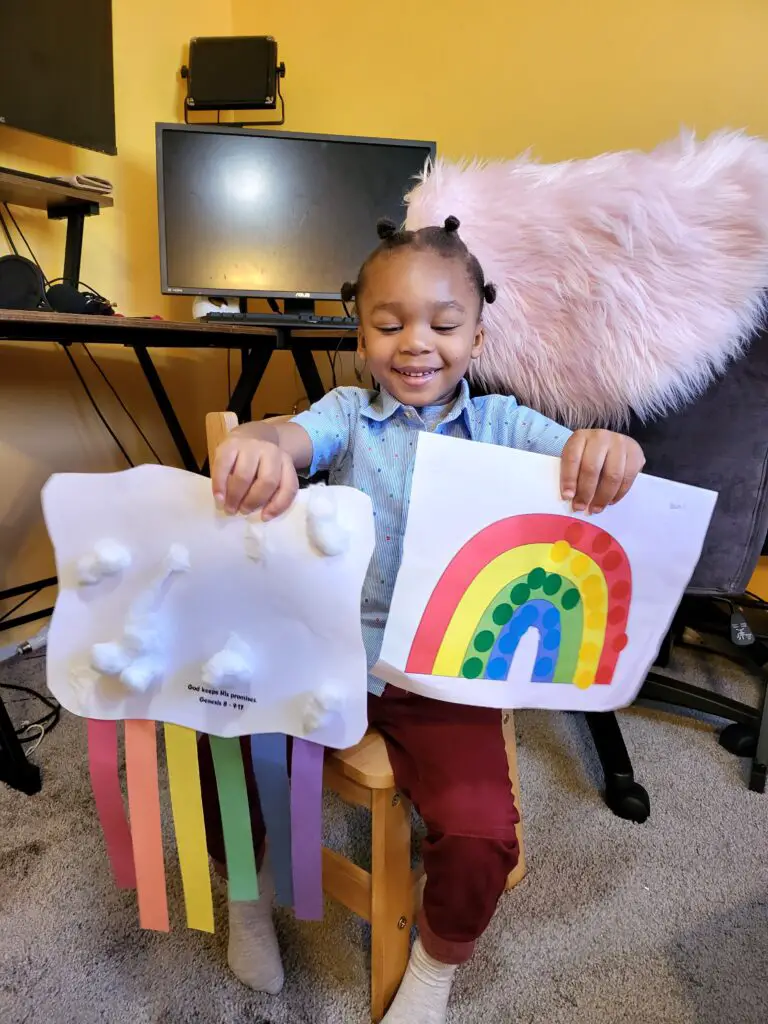
• art projects
• science experiments
• educational documentaries
Outdoor time is especially helpful for both children and parents during the baby stage.
Evening Learning
Evenings can include simple family learning activities like:
• reading aloud together
• listening to audiobooks
• discussing books or history topics
Learning during the evening may feel more relaxed since the pressure of the school day has passed.
How to Homeschool During Baby Naps
Nap time can be one of the most valuable learning windows when homeschooling with a baby.
Using this time intentionally can make a big difference.
Some ways to use nap time effectively include:
Prioritize important subjects first
If math or writing requires more focus, try completing these subjects during naps.
Encourage independent work
Older children can practice reading, complete worksheets, or work on projects quietly.
Keep lessons short
Even if nap time only lasts 30 minutes, a focused lesson can still be productive.
Remember that homeschool does not need to happen all at once. Small lessons throughout the day can add up to meaningful progress.
Practical Tips for Homeschooling With a Baby
Certain strategies can make homeschooling during the baby stage much easier.
Use a Baby Carrier
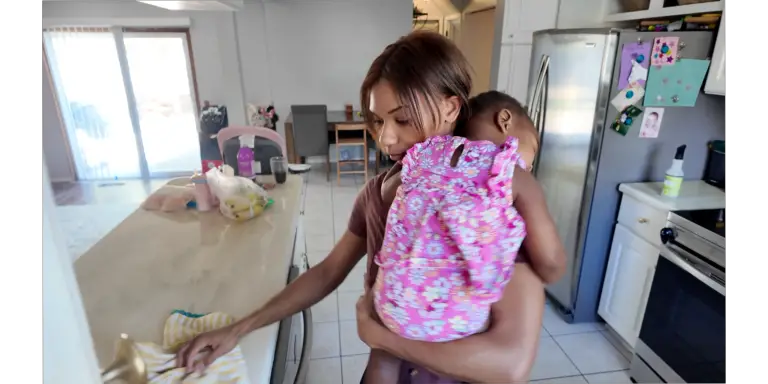
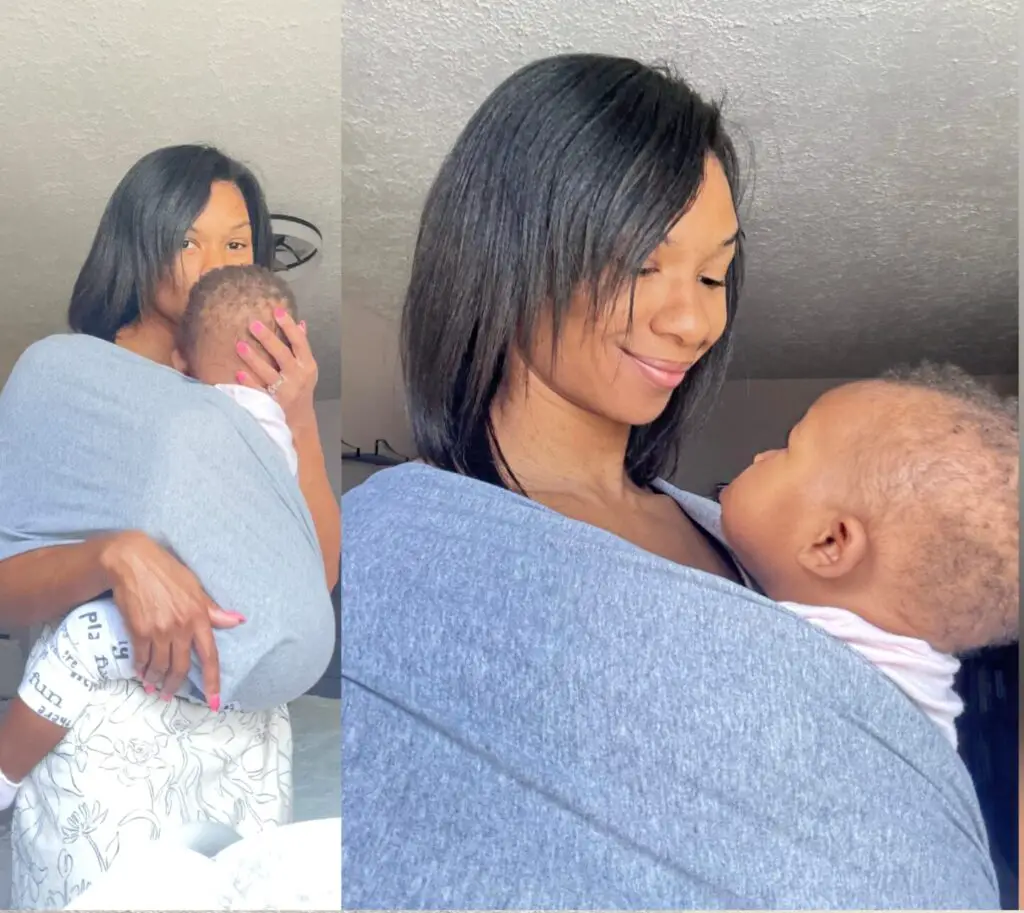
A baby carrier can be incredibly helpful when homeschooling. It allows you to hold the baby while still having your hands free to help older children with their work. Many babies also enjoy being close to their parent, which can reduce fussiness during lessons.
You can grab the exact baby carrier that I’m wearing here, I’ve had it since my first child and it has been a game changer!
Keep Lessons Short
Young children often learn best through short lessons.
Instead of long blocks of instruction, try breaking lessons into smaller segments.
For example, a 10-minute math lesson followed by a short break can be very effective.
Encourage Independent Learning
As children grow older, encouraging independent learning becomes valuable.
Workbooks, reading assignments, and simple projects can allow children to work while you care for the baby.
Use Read-Aloud Learning
Reading aloud to your children is one of the easiest ways to homeschool multiple ages at once.
Everyone can listen together while you hold or feed the baby.
Read-aloud time can include:
• literature
• history books
• educational stories
This simple activity can cover multiple subjects.
Embrace Learning Through Daily Life
Many learning opportunities naturally happen throughout the day.
Cooking can teach math and measurement.
Gardening can teach science.
Household chores can teach responsibility.
During the baby stage, these everyday activities become valuable learning experiences.
Homeschooling Multiple Ages With a Baby
Many homeschool families teach children of different ages at the same time.
When you also have a baby, group learning becomes especially helpful.
Some strategies include:
Combine subjects when possible
History, science, and literature can often be taught together.
Use family learning
Reading a book together or watching an educational documentary allows everyone to learn simultaneously.
Encourage sibling help
Older children may enjoy helping with the baby or assisting younger siblings with schoolwork.
This can strengthen family bonds and build responsibility.
Simple Homeschool Supplies That Help During the Baby Stage
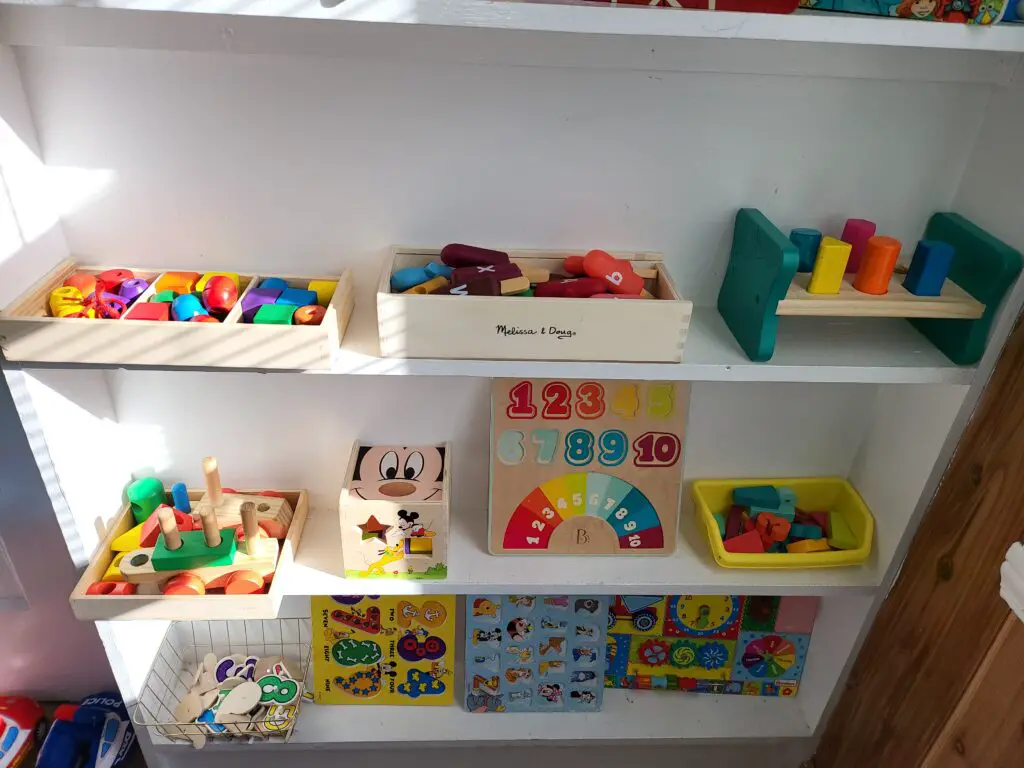
You do not need a large collection of supplies to homeschool with a baby.
In fact, keeping things simple often works best.
Some helpful tools include:
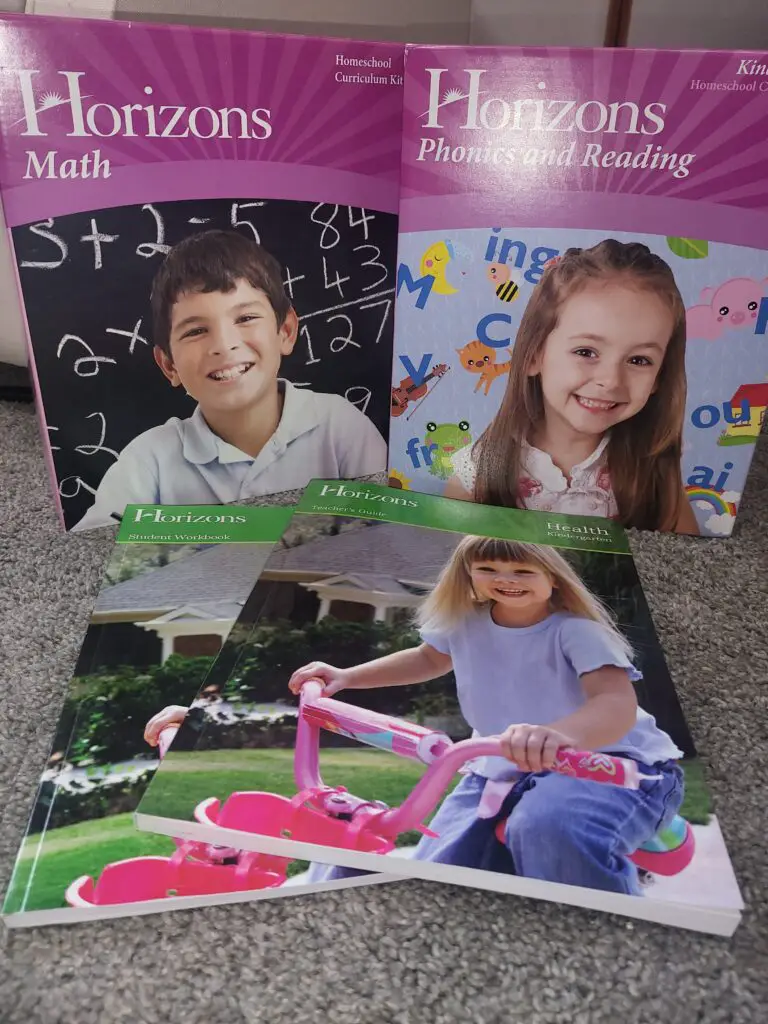
Independent workbooks
These allow children to complete assignments without constant instruction.
Read-aloud books
A strong collection of books can support learning across multiple subjects.
Audiobooks
Audiobooks are great for listening during quiet time, chores, or feeding the baby.
Quiet activity bins
These may include puzzles, drawing materials, or educational games.
Simple supplies help children stay engaged while you care for the baby.
Why the Baby Years Can Strengthen Your Homeschool
Although homeschooling with a baby can feel challenging, it can also bring unexpected benefits.
The baby stage naturally slows down family life. This slower pace often encourages deeper connections and more meaningful learning.
Older children may develop patience and empathy as they learn to adjust to the needs of a younger sibling.
Family learning often becomes more relaxed and enjoyable, focusing less on strict schedules and more on shared experiences.
Many homeschool parents later look back on these years as some of the most memorable parts of their homeschooling journey.
Encouragement for the Overwhelmed Homeschool Mom
If you are homeschooling with a baby right now, you may feel tired or discouraged.
It can be easy to compare your homeschool to others or feel like you are not doing enough.
But homeschooling does not need to be perfect to be effective.
Children learn through relationships, conversations, reading, and everyday experiences.
Even small, consistent efforts can make a meaningful impact over time.
This season of life will pass, and your routines will continue to grow and change.
For now, focus on creating a gentle rhythm that supports both your baby and your homeschool.
You are doing an important and meaningful job.
Conclusion
Homeschooling with a baby requires flexibility, patience, and realistic expectations.
Instead of trying to maintain a perfect schedule, focus on building a simple rhythm that works for your family.
Short lessons, read-aloud learning, and everyday life experiences can all support your homeschool during the baby stage.
This season may look different from other homeschool years, but it can still be filled with meaningful learning and family connection.
Take it one day at a time, simplify when needed, and trust that your efforts are making a difference.