Montessori Activities for Preschoolers: 7 Essential Ideas
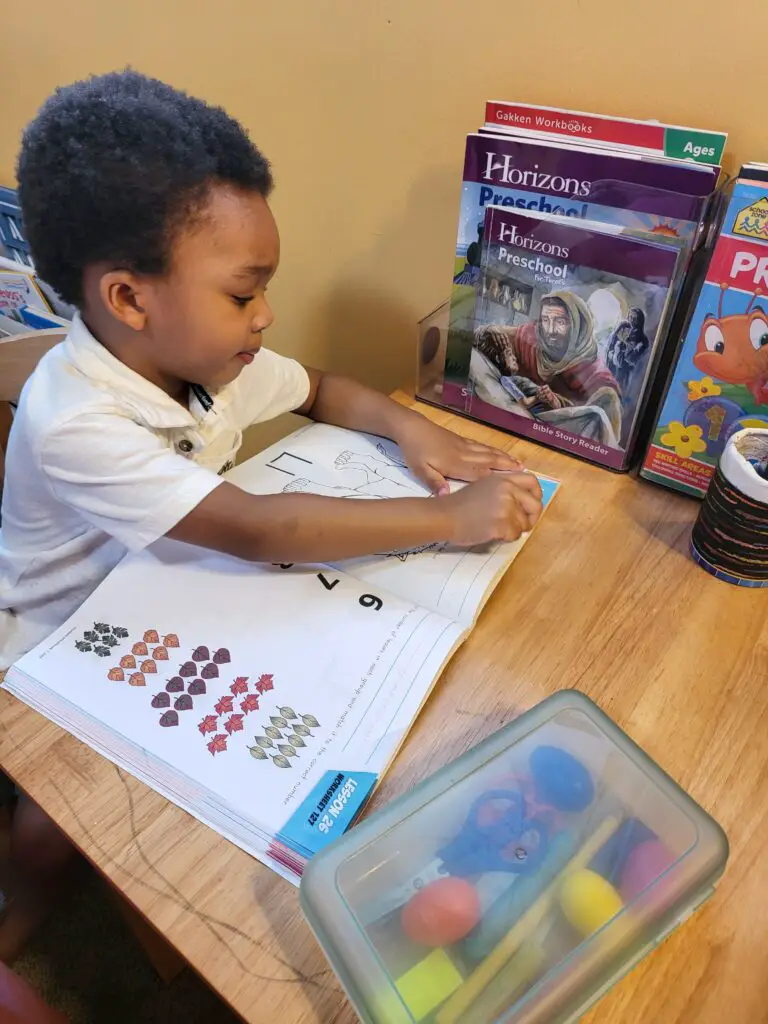
Welcome to the world of Montessori, where a child's natural curiosity leads the way to profound learning. If you've ever felt overwhelmed by the idea of bringing these celebrated methods into your home, you're in the right place. This guide is designed for parents like you: those seeking gentle, purposeful ways to nurture your preschooler's independence, concentration, and love for discovery.
Forget the need for expensive, specialized equipment; we're focusing on accessible, high-impact montessori activities for preschoolers that you can set up today. This curated collection strips away the complexity and delivers a practical roadmap for hands-on learning. We will explore ten foundational activities that span Practical Life, Sensorial exploration, Language, and Math, providing not just the 'what' but the crucial 'how' and 'why' behind each one.
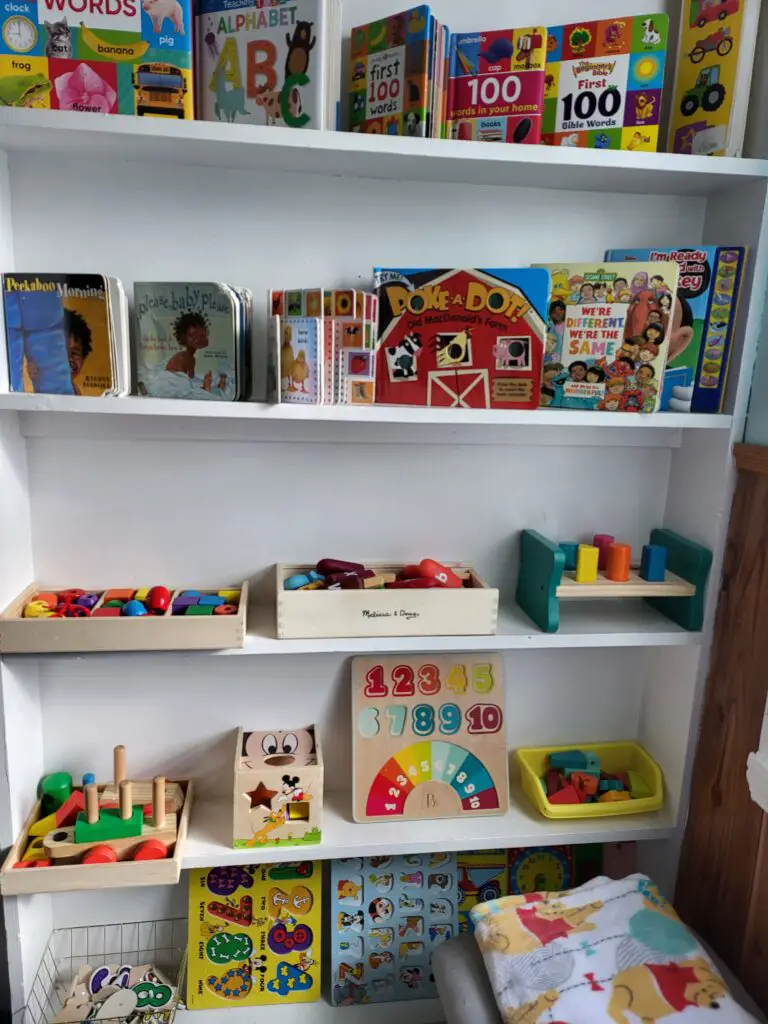
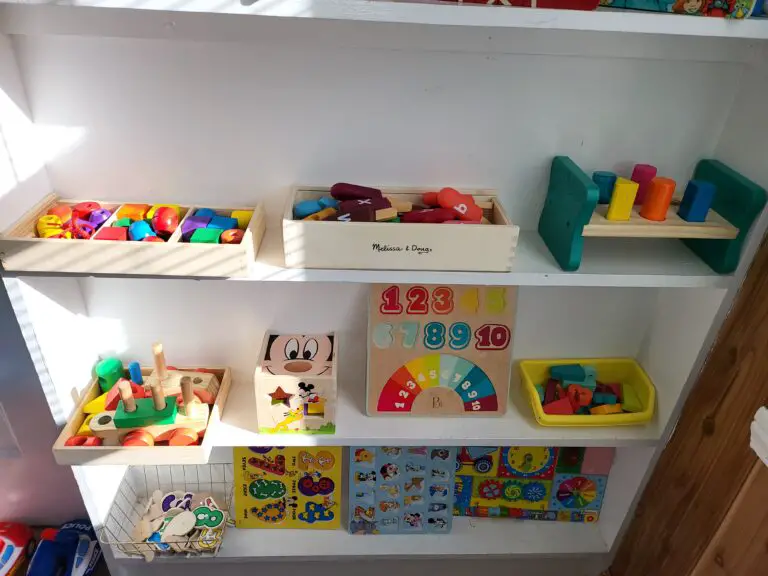
You'll find clear mini-instructions, lists of simple materials (including links to our favorite printables), and valuable adaptations for different skill levels. A key aspect of Montessori at home is establishing a prepared environment; consider reading about creating an ideal play environment for babies and toddlers to help design a space conducive to learning.
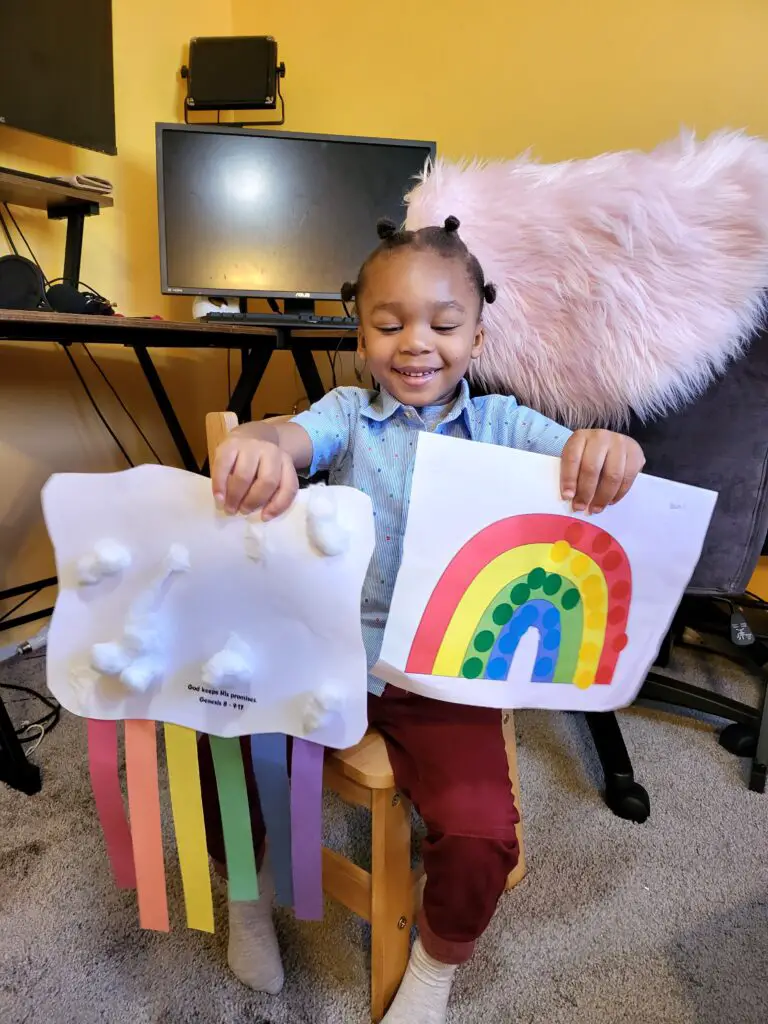
We'll even share unique ideas for weaving these activities into your family's faith and daily rhythms, empowering you to create an environment where your child can truly flourish. Let's begin this joyful journey of hands-on learning together.
1. Practical Life Activities: Building Capable, Confident Kids
Practical Life exercises are the heart of Montessori-inspired learning and a foundational category of montessori activities for preschoolers. These are purposeful, real-world tasks that mirror daily routines, empowering children to care for themselves, others, and their environment. More than just chores, activities like pouring water, buttoning a coat, or wiping a table are profound lessons in coordination, concentration, and independence.
By mastering these tangible skills, a child builds a deep sense of capability and self-worth. They see themselves as contributing members of the family, which nurtures their confidence. The slow, deliberate movements required also refine hand-eye coordination and strengthen small hand muscles. Central to practical life activities is the development of fine motor skills, which are essential for independence and future learning. To understand more about what fine motor skills are and why they matter, exploring a detailed guide can be incredibly helpful for parents.
How to Implement Practical Life Trays at Home
Setting up these activities is simple and budget-friendly. The key is to isolate a single task on a small tray, making it inviting and accessible.
- Pouring: Set up a tray with two small, identical pitchers. Fill one with dry goods like rice or beans. The child’s task is to pour the contents into the empty pitcher without spilling. As they master this, you can progress to pouring water.
- Spooning: Place two bowls on a tray, one filled with something scoopable like lentils or pom-poms. Add a spoon and invite your child to transfer the items from one bowl to the other.
- Dressing Frames: You can purchase or DIY frames with large buttons, zippers, or snaps. This allows children to practice these tricky skills without the pressure of getting dressed.
Tip: Always model the activity first. Perform the task slowly and deliberately without speaking, allowing your child to focus solely on your movements. Then, invite them to try. If they make a mistake, like spilling, calmly model how to clean it up with a small sponge or cloth. This teaches problem-solving and responsibility.
2. Sensorial Materials and Exploration
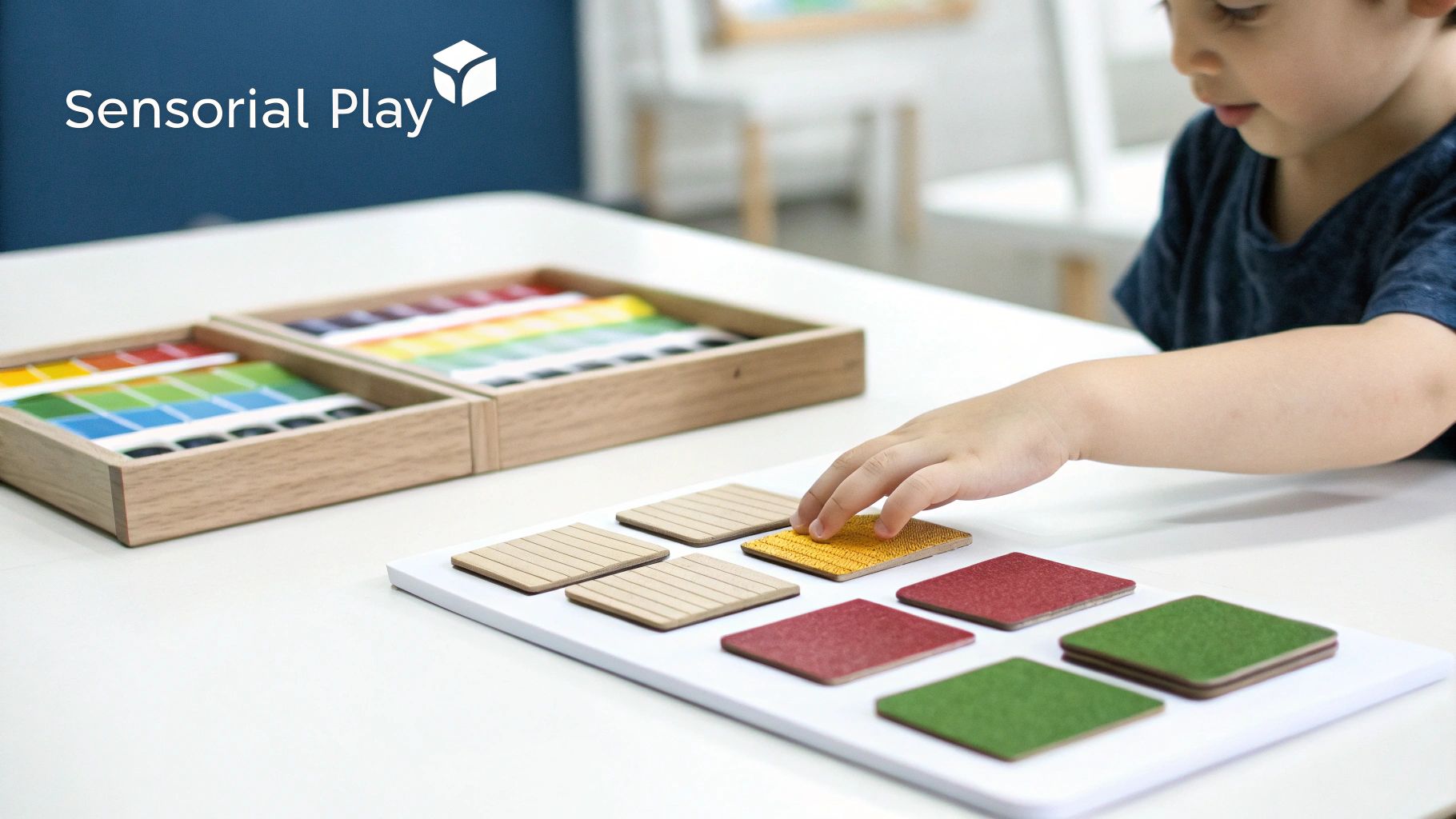
Sensorial activities are a cornerstone of montessori activities for preschoolers, designed to refine a child's five senses. Dr. Montessori believed that children learn by exploring the world through their senses, and these materials isolate specific qualities like color, weight, texture, or sound. By engaging with these carefully designed tools, preschoolers learn to order, classify, and describe their sensory experiences with precision, building a rich mental framework for understanding their environment.
This purposeful sensory work develops discrimination and sharpens the intellect. When a child matches sound cylinders or grades color tablets from darkest to lightest, they are not just playing; they are organizing their brain and building pathways for later learning. The focused, hands-on exploration cultivates concentration and an appreciation for detail, which are foundational skills for mathematics, language, and scientific observation. For those looking to dive deeper, you can find more information about sensorial materials on themomresource.com.
How to Implement Sensorial Trays at Home
Creating a sensorial experience at home involves isolating a single sense for the child to explore. The goal is to present beautiful, intriguing materials that invite discovery.
- Color Matching: Use paint swatches from a hardware store. Start with two or three pairs of primary colors on a tray and invite your child to match them. Gradually add more pairs and then introduce shades of the same color for grading.
- Texture Exploration: Create a "touch basket" with items of varying textures: a smooth stone, a rough piece of bark, a soft piece of velvet, and a bumpy pinecone. You can also create matching texture boards by gluing squares of sandpaper, fabric, and foil onto small cards.
- Sound Matching: Fill pairs of small, opaque containers (like film canisters or spice jars) with different materials like rice, jingle bells, or salt. The child’s task is to shake the containers and find the matching sounds.
Tip: Always present sensorial materials from left to right and top to bottom. This indirectly prepares the child for reading and writing. Allow your child to explore the materials for as long as they are interested, without interruption, as this builds concentration.
3. Sandpaper Letters and Letter Sounds
Introducing literacy through Sandpaper Letters is a hallmark of montessori activities for preschoolers. This classic material uses a multi-sensory approach to connect the symbol of a letter with its phonetic sound. Each letter is a tactile cutout of fine-grit sandpaper mounted on a wooden or cardboard tile (consonants on pink, vowels on blue). Children trace the letter with their fingers, engaging their sense of touch, while an adult clearly pronounces its sound, engaging their auditory sense.
This simultaneous engagement of multiple senses creates a strong, lasting impression in the child’s brain, making the abstract concept of letters concrete and memorable. The physical act of tracing also prepares the hand for writing by building muscle memory for letter formation. This method isolates the sound from the letter name (e.g., saying "buh" instead of "bee"), laying a direct and clear foundation for phonetic reading and spelling.
How to Implement Sandpaper Letters at Home
The presentation of Sandpaper Letters is as important as the material itself. The goal is to create a positive, focused experience that builds phonetic awareness.
- Introduce Sounds: Begin with just three letters that have very different shapes and sounds, such as 'm', 's', and 'a'. Sit with your child, place one letter in front of them, and slowly trace it with your index and middle fingers, clearly saying its sound.
- Three-Period Lesson: Use a simple three-step method. 1) "This is /s/." (Trace and say the sound). 2) "Show me /s/." (Lay out three letters and ask them to point). 3) "What is this?" (Point to a letter and ask for its sound).
- Sound Games: Once a few sounds are mastered, play games. "I spy something in the room that starts with the sound /b/." Place small objects in a basket and have your child match them to the correct Sandpaper Letter. For more ideas on integrating Montessori language activities, you can find a wealth of resources and guides that delve into Montessori homeschool methods.
Tip: Always present sounds, not letter names. Consistency is key. Use a clear, crisp sound for each letter, avoiding adding an "uh" at the end (e.g., say "m-m-m," not "muh"). Let your child lead the pace and never pressure them to recall a sound they have forgotten. Simply re-introduce it gently.
4. Golden Beads (Mathematics Foundation)
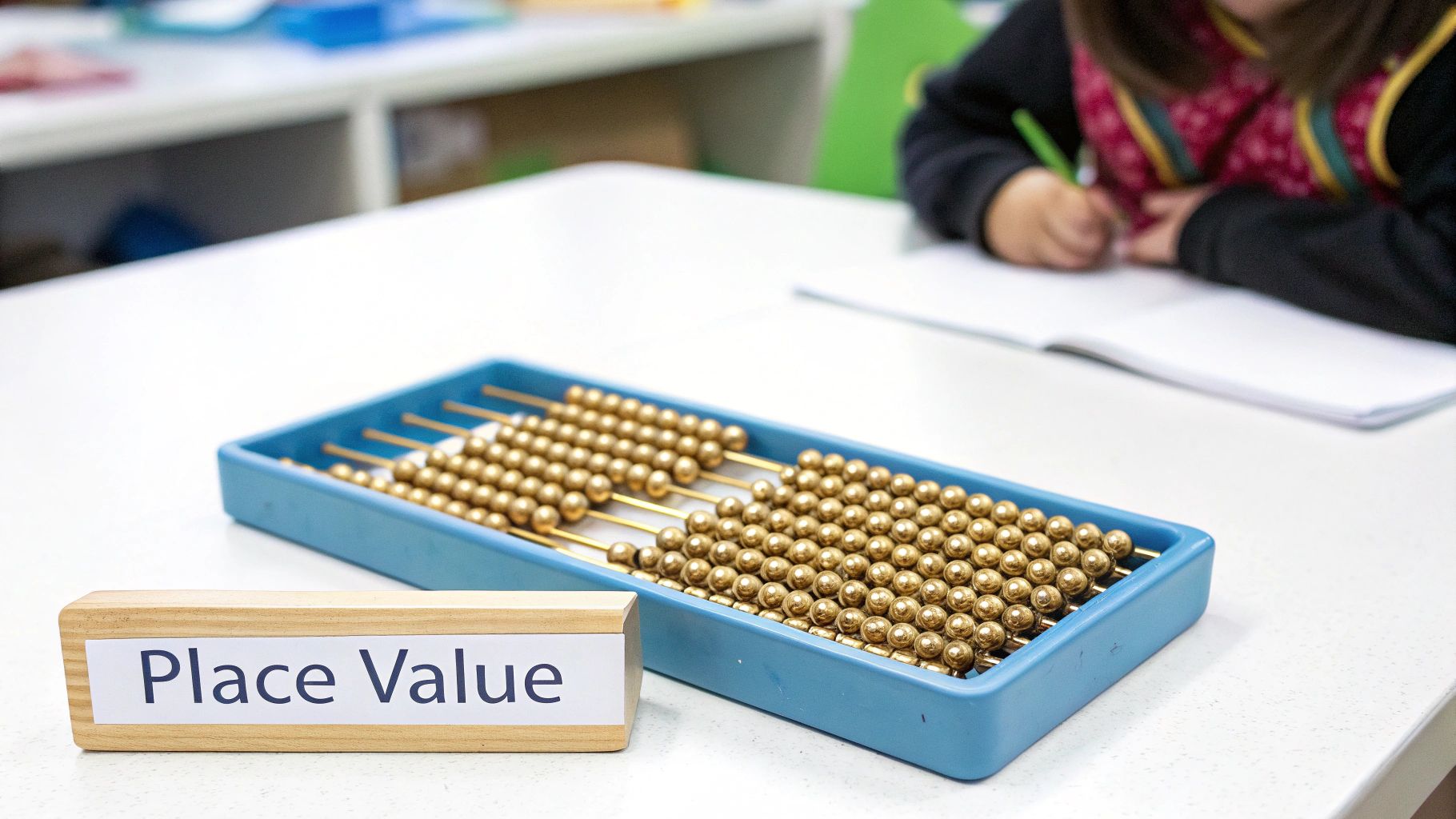
The Golden Beads are a cornerstone of Montessori mathematics and a powerful entry point into the world of numbers for young children. As one of the most iconic montessori activities for preschoolers, this material makes the abstract concept of the decimal system concrete and tangible. It consists of individual unit beads, bars of ten beads, squares of one hundred, and cubes of one thousand, allowing children to physically hold, see, and compare quantities. This hands-on experience builds a deep, intuitive understanding of place value.
By manipulating the beads, a child doesn't just learn to count; they experience what "one thousand" truly feels and looks like compared to "one." This sensorial work lays a robust foundation for future mathematical operations, moving from concrete understanding to abstract thought. It helps them grasp concepts like quantity, numerical relationships, and the base-ten system in a way that rote memorization cannot. For families exploring these foundational tools, a guide to the best Montessori materials for math can provide further insight into building a rich learning environment.
How to Introduce Golden Beads at Home
Presenting the Golden Beads is a gradual process that builds upon each concept. Start simply and allow your child plenty of time for exploration with a work mat to define their space.
- Introduce Quantities: Begin by introducing each category one by one. Show the child a single unit bead and say "one." Then show a ten-bar and say "ten." Do the same for the hundred-square and thousand-cube, allowing them to feel the weight and size of each.
- Building Numbers: Use number cards to show a quantity, like "1,243." Invite your child to "build" this number by gathering the corresponding Golden Beads: one thousand-cube, two hundred-squares, four ten-bars, and three unit beads.
- Simple Operations: Once they are comfortable with quantities, you can introduce simple addition. Build two separate numbers with the beads, then combine them and count the total to see the concept of addition in a concrete way.
Tip: Repetition is key. Allow your child to build, count, and explore the Golden Beads freely. Don't rush to introduce symbols or operations. The goal is for them to develop a strong internal understanding of quantity and place value before moving to more abstract pencil-and-paper math.
5. Moveable Alphabet: From Sounds to Words
The Moveable Alphabet is a classic Montessori material that serves as a vital bridge between knowing letter sounds and being able to read and write. This hands-on tool, typically a box of wooden or plastic letters with vowels in one color and consonants in another, allows children to build words physically before their hand has the fine motor control needed for writing. This is one of the most powerful montessori activities for preschoolers for developing early literacy skills in a concrete, pressure-free way.
By manipulating the letters, children transform abstract phonetic sounds into tangible words they can see and touch. This process of encoding (building words) reinforces phonemic awareness and helps them understand how sounds blend together to form language. The moveable alphabet empowers children to express themselves through writing, even before they can hold a pencil correctly, building immense confidence and a love for language.
How to Implement the Moveable Alphabet at Home
Introducing the moveable alphabet can be a joyful exploration of language. The key is to present it as a fun puzzle rather than a formal lesson.
- Building CVC Words: Start with simple, three-letter phonetic words (consonant-vowel-consonant) like "cat," "pig," or "sun." Use small picture cards to provide a visual cue. Say the word slowly, emphasizing each sound, and invite your child to find the corresponding letter to build the word.
- Phonetic Exploration: Encourage free play. Let your child experiment with combining letters to see what sounds they make, even if it results in nonsense words. This experimentation is crucial for understanding phonetic patterns.
- Simple Messages: Once they are comfortable with single words, you can help them build short phrases or messages, such as "i love mom." This shows them the power of written communication and connects the activity to their daily life.
Tip: Before introducing the moveable alphabet, ensure your child is confident with most of their letter sounds. Begin the activity by playing an "I Spy" game with sounds ("I spy something that starts with the /c/ sound") to warm up their phonetic awareness before inviting them to build the word.
6. Geometric Solids and Shape Exploration
Geometric solids are a cornerstone of the Montessori math and sensorial curriculum, making them essential montessori activities for preschoolers. These are not flat, two-dimensional shapes but tangible, three-dimensional forms like spheres, cubes, and cylinders. By physically holding and manipulating these objects, children develop a concrete understanding of geometry, spatial awareness, and the properties of different shapes long before they learn abstract formulas.
This hands-on exploration builds a powerful foundation for mathematical thinking. A child discovers that a sphere can roll but a cube cannot, or that a cylinder can both roll and stack. These discoveries, made through their own senses, create deep, lasting knowledge. This process also builds vocabulary as they learn the correct names for each solid, connecting language to a physical, sensory experience. The tactile nature of the solids refines a child’s stereognostic sense, which is the ability to identify objects by touch alone.
How to Implement Geometric Solids at Home
Introducing these shapes is straightforward and can be integrated into everyday play. The goal is to encourage curiosity and exploration through engaging, hands-on activities.
- Roll and Stack: Set out a few different solids, such as a sphere, a cube, and a cone. Invite your child to explore which ones can roll down a small ramp and which ones can be stacked on top of each other.
- Matching to Outlines: Create or print cards showing the two-dimensional outline or shadow of each solid. The child's task is to match the physical 3D object to its 2D representation, bridging the gap between dimensions.
- Environmental Shape Hunt: After exploring the solids, go on a hunt around the house or classroom to find real-world objects that match. A can of soup is a cylinder, a ball is a sphere, and a block is a cube.
Tip: Begin with free, unstructured exploration. Allow your child plenty of time to simply handle, feel, and play with the solids before introducing formal names or lessons. This builds a positive and curious relationship with the materials, making future learning more natural and engaging.
7. Puzzle Maps and Geography Exploration
Puzzle maps are quintessential materials in the Montessori classroom and are some of the most engaging montessori activities for preschoolers for developing world awareness. These are typically wooden puzzles where each piece represents a continent, country, or state. Unlike traditional puzzles, the purpose isn't just to fit pieces together; it is to give children a tangible, sensorial understanding of how the world is organized. Through hands-on manipulation, children learn the shapes, names, and relative locations of geographic areas.
This tactile approach to geography helps a child build a mental map of the world. By physically holding the shape of South America or tracing the outline of Italy, the information becomes concrete and memorable. This work develops fine motor skills, visual discrimination, and spatial reasoning. It lays a foundation for a lifelong curiosity about different places, cultures, and the vastness of God's creation, connecting the child to a global community.
How to Implement Puzzle Maps at Home
Introducing puzzle maps is a simple way to bring geography to life. The key is to present them in an organized and inviting manner, allowing the child to lead their own exploration.
- Continent Puzzle: Start with a world puzzle map. Show your child how to carefully remove a continent piece using the small knob, say its name clearly, and trace its outline with your fingers before placing it on a work mat.
- Country Exploration: Once familiar with the continents, introduce a puzzle map of a specific continent, like North America. Focus on a few countries at a time, perhaps your own and neighboring ones, to avoid overwhelm.
- Connect to Culture: Pair puzzle work with cultural studies. If working on the puzzle of Asia, you could also look at pictures of the Great Wall of China, listen to music from India, or try a simple Japanese recipe.
Tip: Always begin with the largest-scale map (the world continents) and gradually move to more detailed maps (continents with countries, then your own country with states). This "whole-to-part" approach is a core Montessori principle that helps children build a structured understanding of complex information. Present the puzzle on a tray to define the workspace and keep all the pieces contained.
8. Knobbed Cylinders (Size Discrimination)
The Knobbed Cylinders are an iconic sensorial material and a quintessential part of any list of montessori activities for preschoolers. This material consists of four wooden blocks, each containing ten cylinders with knobs. Each block isolates a specific dimension for the child to discriminate: height and diameter, diameter only, height only, and graduating from tall/thin to short/wide. The purpose is to refine a child's visual perception of size and dimension.
By removing the cylinders and placing them back into their corresponding sockets, a child develops fine motor skills, specifically the pincer grasp used for writing. This activity is beautifully self-correcting; if a cylinder is placed in the wrong hole, it either won't fit or will be too loose. This immediate, non-verbal feedback allows the child to problem-solve independently, building concentration, order, and a foundational understanding of mathematical gradation.
How to Implement Knobbed Cylinders at Home
You can purchase Knobbed Cylinder blocks or find more affordable printable versions online to create a similar experience. The presentation is key to inviting focus and exploration.
- Isolate the Material: Introduce one cylinder block at a time, starting with the one that varies in height and diameter. Place it on a mat in front of the child.
- Demonstrate the Process: Slowly and deliberately, use your pincer grasp (thumb, index, and middle finger) to remove each cylinder one by one, placing it carefully in front of its hole. Then, pick up one cylinder, trace its base, and slowly return it to the correct socket.
- Encourage Exploration: Invite the child to complete the work. They might explore by mixing the cylinders up before returning them, which is a natural part of the learning process.
Tip: Always present the work from left to right. This indirectly prepares the child for the directionality of reading and writing. Once all four blocks have been mastered individually, you can extend the activity by mixing the cylinders from two or more blocks and having the child sort them back into their correct homes.
9. Nature and Seasonal Collections: Connecting with the Natural World
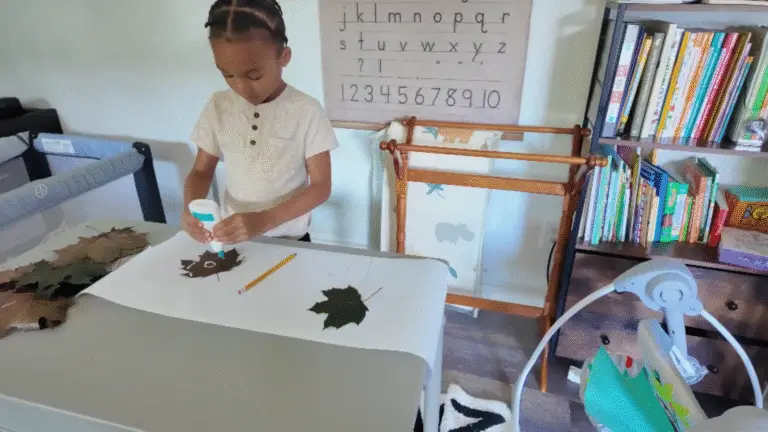
Connecting children with the natural world is a core component of the Montessori philosophy, making nature collections one of the most enriching montessori activities for preschoolers. This practice involves gathering, organizing, and studying natural items like leaves, stones, seeds, or shells. These collections are not just about collecting; they are hands-on lessons in observation, classification, and the beautiful cycles of nature.
Through this sensory-rich exploration, children develop a profound appreciation for their environment. They learn to notice subtle differences in color, texture, and shape, which sharpens their scientific thinking and observational skills. Engaging with tangible pieces of nature builds a rich vocabulary as they learn names for plants, rocks, and seasons. This activity fosters a sense of wonder and stewardship for the world God created, grounding their learning in real, tangible experiences.
How to Implement Nature and Seasonal Collections at Home
Creating a space for nature exploration is simple and encourages children to bring the outside in. The goal is to create an inviting display that changes with the seasons.
- Seasonal Nature Table: Designate a small table or shelf as your "Nature Table." In the fall, display colorful leaves, acorns, and pinecones. In spring, showcase budding twigs, fresh flowers, and unique rocks discovered after the snow melts.
- Sorting and Classifying: Provide trays with compartments or small bowls. Invite your child to sort their collected treasures. They can sort stones by color, leaves by shape, or shells by size.
- Flower Pressing: In spring and summer, collect flowers and press them in a heavy book between pieces of wax paper. Once dried, these can be used for art projects or observed with a magnifying glass.
Tip: Go on regular "nature walks" with a specific purpose, like finding three different types of leaves or something smooth. Bring a small basket for collecting. Model a sense of wonder and respect for nature, showing your child how to gently handle living things and only take what has already fallen to the ground.
10. Three-Part Cards and Vocabulary Development
Three-Part Cards are a classic Montessori tool designed to enrich a child's vocabulary and lay a strong foundation for reading. These powerful montessori activities for preschoolers break down language into clear, manageable components. Each concept is represented by three cards: a picture with a label, the same picture without a label, and a separate card with just the label (the word). This system allows for a multi-step matching process that builds from concrete to abstract.
This self-correcting method empowers children to learn independently, making connections between objects, images, and their written names. As they match picture to picture and then word to picture, they are not just memorizing words; they are developing classification skills, enhancing concentration, and internalizing the structure of language. The process is intuitive and satisfying, giving preschoolers a tangible sense of accomplishment as they master new concepts.
How to Implement Three-Part Cards at Home
Introducing Three-Part Cards is a straightforward process that can be adapted to any theme or interest. Start with familiar categories to build confidence before moving to more complex subjects.
- Animal Vocabulary: Begin with a set of common animals. First, the child matches the labeled picture card to the unlabeled picture card. As they become proficient, they can then match the separate word label to the unlabeled picture.
- Foods and Nutrition: Use cards depicting fruits, vegetables, and other food groups. This is a great way to talk about healthy eating while expanding their lexicon.
- Community Helpers: Introduce professions like firefighters, doctors, and teachers. This helps children understand their community while learning relevant vocabulary.
Tip: Enhance the learning by creating a corresponding "theme basket" with real objects that match the cards. For a fruit-themed set, you might include a real apple, banana, and orange. This multi-sensory approach deepens their understanding and makes the abstract concept of a printed word more concrete and memorable.
Top 10 Montessori Activities Comparison
| Activity | 🔄 Implementation Complexity | ⚡ Resource & Time Efficiency | 📊 Expected Outcomes | ⭐ Key Advantages | 💡 Ideal Use Cases / Tips |
|---|---|---|---|---|---|
| Practical Life Activities | Moderate→High prep; requires adult modeling | Medium material cost; time‑intensive supervision | Independence, fine motor skills, concentration | Builds confidence; real-life skill transfer | Age 2.5–6; start simple; child-sized tools; station trays |
| Sensorial Materials and Exploration | Moderate setup; graded presentations | High material cost; storage needs; efficient after setup | Refined sensory discrimination; vocabulary; math foundations | Deep sensory refinement; very engaging | Age 2.5–5; introduce one material at a time; rotate materials |
| Sandpaper Letters and Letter Sounds | Low→Moderate; needs one‑on‑one presentation | Low cost initially; sandpaper wears; individual time needed | Early phonetic awareness; letter formation, muscle memory | Multi‑sensory encoding of sounds; excellent for kinesthetic learners | Age 3–4.5; teach 3–5 letters/week; consistent sound presentation |
| Golden Beads (Mathematics Foundation) | High; requires trained presentation and progression | Expensive; small parts; organized storage required | Concrete understanding of place value and number sense | Makes abstract math tangible; supports independent work | Age 3.5–5; progress units→tens→hundreds; use beadboard and trays |
| Moveable Alphabet | Moderate; requires organization and guidance | Moderate cost; time to manage sets; pieces easily lost | Spelling, early reading, composition skills | Bridges phonics to writing; encourages creativity | Age 3.5–5; start with CVC words; use picture prompts and labeled boxes |
| Geometric Solids and Shape Exploration | Low→Moderate; simple presentations | Moderate cost; needs space for exploration | Spatial reasoning, 3D geometry vocabulary | Concrete 3D understanding; tactile exploration | Age 2.5–5; include shadow cards; allow free manipulation |
| Puzzle Maps and Geography Exploration | Moderate; preparation and thematic presentation | Moderate–high cost; storage and piece management | Early geographic awareness; place recognition | Tangible world geography; supports cultural learning | Age 3.5–6; begin with continents; use trays and fact cards |
| Knobbed Cylinders (Size Discrimination) | Low; straightforward demonstrations | Moderate cost; durable but needs care | Fine motor control, visual discrimination, concentration | Strong fine-motor and ordering foundation; self-correcting | Age 2.5–4.5; present one block at a time; allow extended work |
| Nature and Seasonal Collections | Low; simple to implement but ongoing collection | Very low cost; requires outdoor time and rotation | Observation, classification, environmental awareness | Inexpensive; real-world connection; sensory-rich | Age 2.5–6; use nature tables; photograph collections; rotate seasonally |
| Three-Part Cards and Vocabulary Development | Moderate prep; themed organization required | Moderate cost; need laminating and storage | Vocabulary growth, reading comprehension, independent learning | Self-correcting; highly versatile across themes | Age 3–5.5; start with familiar items; laminate and rotate themes |
Bringing It All Together: Your Next Steps in Montessori Learning
You have now journeyed through ten foundational Montessori activities for preschoolers, each a stepping stone toward nurturing an independent, curious, and confident learner. From the satisfying work of Practical Life activities like pouring and spooning to the abstract concepts of quantity made tangible with the Golden Beads, this collection is more than just a list. It is a framework for observing your child, understanding their developmental needs, and responding with purposeful, hands-on learning opportunities that honor their innate desire to explore and master their world.
Remember, the essence of the Montessori method at home is not about perfectly replicating a classroom environment or acquiring every piece of official material. It is about embracing a philosophy. The core value lies in respecting the child as a capable individual and preparing a home environment that supports their natural development. The activities we have explored are simply the tools that bring this philosophy to life.
Key Takeaways and Your Path Forward
As you move from reading to doing, keep these central principles in mind. They are the true north of your Montessori-inspired journey.
- Follow the Child: This is the most crucial takeaway. The most effective montessori activities for preschoolers are the ones your child is genuinely drawn to. Observe their interests. Are they fascinated by letters? Introduce the Sandpaper Letters. Are they constantly sorting objects? Set up a tray with Knobbed Cylinders or various sorting tasks. Let their curiosity be your guide.
- Preparation is Paramount: The prepared environment is everything. A cluttered, chaotic space can overwhelm a young child. A simple, orderly, and accessible setup invites focus and concentration. A well-prepared tray with all necessary materials signals that this is a special, respected activity.
- Embrace the Process, Not Perfection: The goal of a pouring activity is not just to pour without spilling; it is to develop concentration, coordination, and a sense of order. The purpose of the Moveable Alphabet is not just to spell words correctly, but to experience the joy of creating language. Celebrate the effort and the process of discovery, not just the final outcome.
Actionable Next Steps to Get Started
Feeling inspired but a little overwhelmed? That's perfectly normal. The key is to start small and build momentum. Here are your immediate, actionable next steps:
- Choose ONE Activity: Don't try to implement everything at once. Review the list and select just one activity that aligns with your child's current interests and the materials you have on hand. A Nature and Seasonal Collection basket is a wonderful, low-cost starting point for any family.
- Prepare the Tray: Gather the materials for your chosen activity and arrange them thoughtfully on a tray or in a basket. Place it on a low, accessible shelf where your child can see it and choose it independently. This simple act empowers them and respects their ability to make choices.
- Model, Then Observe: Briefly and slowly demonstrate how to use the materials, using minimal words. Then, step back. Allow your child to explore the activity in their own way. Resist the urge to correct or intervene unless they are misusing the materials in a way that could cause harm. Observation is your most powerful tool for understanding what they need next.
By integrating these beautiful, simple, and effective montessori activities for preschoolers into your daily rhythm, you are doing so much more than teaching academic skills. You are cultivating a love for learning, fostering deep concentration, and building a foundation of confidence and independence that will serve your child for a lifetime. Your intentional effort is a profound gift, shaping not just their education but their character and their view of the world as a place of wonder and discovery.
Ready to take the next step with more resources, support, and community? The Mom Resource offers a rich library of printable Montessori materials, faith-based learning guides, and practical homeschooling plans designed for families just like yours. Join our community to access these tools and connect with other intentional parents on this beautiful journey at The Mom Resource.