What Is Homeschooling? Your Complete Guide to Getting Started
What is homeschooling and how does it work?
Homeschooling is a flexible educational path where you educate your child at home rather than sending them to a traditional public or private school. It empowers you to tailor your child’s education to their unique learning style, schedule, and interests.
Key Takeaways
- Homeschooling is a parent-led, home-based alternative to traditional schooling that allows for deep curriculum flexibility and personalized schedules.
- Families choose to homeschool for diverse reasons, ranging from concerns about the school environment to the desire for customized, child-centered learning.
- There are multiple teaching methods available, including highly structured traditional curricula, child-led unschooling, and hybrid approaches like homeschool cooperatives.
- Homeschooling laws vary widely by state, so understanding your local regulations regarding notification, required subjects, and academic assessments is a crucial first step.
What does it mean to homeschool your child today?
You might be sitting at your kitchen table, looking at your child’s homework, and wondering if there is a better way. It may seem like traditional school is the only option, but the truth is you have the power to create a customized learning environment right in your own home. Homeschooling is the practice of educating school-aged children in places other than a traditional school environment, usually conducted by a parent or tutor.
According to the United States Department of Education [2022], homeschooling is an educational alternative where children follow a course of individual instruction tailored to their unique interests and abilities. Historically, home-based education was the norm before compulsory school attendance laws took over in the 19th century. The modern homeschooling movement began to take shape in the 1960s and 1970s. Educational reformers like John Holt advocated for informal education, while others sought alternatives to the secular nature of public schools.
The landscape changed dramatically during the COVID-19 pandemic. According to the US Census Bureau [2021], homeschooling rates increased from 5.4 percent of US households in the spring of 2020 to 11.1 percent by the fall of that same year. An investigation by The Washington Post [2023] estimated that between 1.9 and 2.7 million children are now homeschooled in the United States. Homeschooling is a dynamic and increasingly popular educational approach offering unique benefits, evolving far beyond its traditional perception.
You are entirely capable of guiding your child’s educational journey. Trust your instincts and remember that you know your child best!
Why do so many families choose to homeschool their children?
Parents choose to homeschool primarily to control the school environment, provide moral instruction, and customize their child’s academic experience. Everyone has their own unique motivations, and all of them are valid.
It may seem like pulling your child out of school is a drastic measure, but the truth is many traditional classrooms simply cannot accommodate every child’s specific needs. A 2023 survey of homeschooling parents in the United States found that concerns about the school environment, moral instruction, dissatisfaction with academics, and bullying were the most common reasons for homeschooling [National Household Education Surveys Program, 2024].
Here are the most common motivations driving families toward home education:
- Dissatisfaction with traditional schooling: Many parents worry about large class sizes, rigid curricula, bullying, and safety concerns like school violence.
- Personalized learning: You can tailor your child’s education to their individual needs, interests, and pace. If your child struggles with math but excels in reading, you can adjust your focus accordingly.
- Religious or philosophical alignment: Some families prefer to align their child’s daily education with their specific family values and moral beliefs.
- Health and special needs: Homeschooling beautifully accommodates unique physical, mental, or learning requirements.
- Geographic flexibility: Families who travel frequently or live in isolated rural areas find that homeschooling offers much-needed consistency.
- Protection against systemic issues: Many Black, Latino, and Asian American households have turned to homeschooling to protect their children from systemic racism and unfair disciplinary practices in traditional schools.
Your desire to protect, nurture, and provide the best for your child is a beautiful thing. Don’t be afraid to embrace a non-traditional path if it brings your family peace and joy!
How do you actually teach your children at home?
You teach your children at home by selecting an educational methodology that fits your family’s lifestyle, ranging from structured textbook curricula to entirely child-led exploration. There is no single “right” way to homeschool.
To help you understand the landscape of homeschooling solutions, let’s look at the three primary approaches families use today. Choose a structured approach if routine and measurable milestones matter most to you, or choose an unstructured approach if you want your child’s natural curiosity to drive their education.
| Approach Type | Key Characteristics | Best Fit For… |
|---|---|---|
| Structured Homeschooling | Uses pre-packaged curricula, textbooks, and clear learning objectives. Often resembles “school-at-home.” | Parents who want clear daily schedules, standardized assessments, and easy progress tracking. |
| Unstructured (Unschooling) | Child-led learning based on natural interests. No formal curricula or testing. Relies heavily on informal, experiential learning. | Families who value autonomy, creativity, and hands-on discovery over traditional academics. |
| Hybrid Approaches | Blends home instruction with part-time school attendance or homeschool cooperatives. | Parents who want to combine customized home learning with structured classroom socialization. |
If you opt for structured learning, there are many all-in-one curricula providers that supply everything from teacher guides to answer keys. If you prefer unschooling, you will focus on “natural learning,” where everyday activities like planting a garden or baking a cake become your classroom. Many families rely on homeschool cooperatives. These are community groups where parents pool their resources, allowing children to take group lessons, go on field trips, and socialize.
We’re gonna figure out what works best for your family through trial and error, and that is completely okay! Give yourself the grace to experiment.
Will homeschooled children have trouble socializing and making friends?
Homeschooled children typically have healthy, diverse social lives through community groups, sports, cooperatives, and extracurricular activities.
It may seem like homeschooled kids are isolated from the real world, but the truth is they are often more engaged with their local communities than children sitting in traditional classrooms all day. Critics frequently point to a lack of socialization as a primary concern. However, homeschooled children interact with people of all ages, rather than being segregated into classrooms with only their exact age peers. They participate in community sports, art programs, library events, and volunteer work.
There are other common myths about homeschooling that deserve to be reframed:
- Academic outcomes: Research indicates that homeschooled students generally perform on par with, or sometimes better than, their publicly schooled peers in reading and writing. While there can be a “math gap” in some cases, tailored tutoring easily bridges it.
- Parental qualifications: You do not need a teaching degree to be a great homeschool parent. Your dedication, access to comprehensive resources, and willingness to learn alongside your child matter far more than a formal credential.
- Exposure to diverse viewpoints: Because homeschoolers are out in the community navigating the real world, they encounter plenty of different perspectives. You have the freedom to deliberately introduce diverse literature and cultural experiences into your curriculum.
It is completely normal to worry about whether you are doing enough. Just remember that providing a loving, attentive environment is the greatest social foundation your child could ever receive!
What are the legal requirements for homeschooling in the United States?
The legal requirements for homeschooling vary drastically by state, ranging from zero notice required to mandatory curriculum approvals and annual standardized testing.
Before you buy a single textbook or plan your first field trip, you must understand your local laws. Homeschooling is legal in all 50 states, but the regulatory landscape is incredibly diverse. The Home School Legal Defense Association (HSLDA) notes that some states, like Texas and Illinois, have very relaxed laws with virtually no reporting requirements. Other states, like New York or Pennsylvania, require parents to submit a notice of intent to homeschool, maintain attendance records, teach mandated subjects, and submit to regular academic assessments.
Always check your state’s Department of Education website to ensure you are fully compliant. You are building a secure foundation for your child’s future, and handling the legal paperwork is just the first empowering step!
What does a normal day of homeschooling actually look like?
A normal homeschooling day is entirely flexible and varies based on your family’s rhythm, often blending formal instruction with chores, hobbies, and outdoor play.
One of the greatest joys of homeschooling is that you do not have to replicate a strict 8-to-3 school schedule. For a single-parent homeschooler, lessons might happen in the evenings or on weekends. For a family traveling full-time, geography and history are learned on the road, exploring national parks and museums. For a parent of a special needs child, the day might involve frequent sensory breaks, occupational therapy exercises, and short bursts of focused reading.
The emotional journey of homeschooling is profoundly rewarding, though it absolutely comes with struggles. There will be days when the math lesson ends in frustration, and the house is a mess. But there will also be moments of pure magic when you watch a difficult concept finally click in your child’s mind. The bond you build by spending this concentrated, meaningful time together is irreplaceable.
Go ahead and lean into the messy, beautiful reality of learning together. You are doing an incredible job, even on the hard days!
What are the main benefits and challenges of the homeschooling lifestyle?
The primary benefits of homeschooling include academic customization and stronger family bonds, while the main challenges involve time commitments and potential parental burnout.
Making the decision to homeschool requires weighing the incredible advantages against the realistic demands. Here is a clear look at what to expect:
Benefits of Homeschooling:
- Customization: You can accelerate learning in subjects your child loves and take extra time where they struggle.
- Stronger Family Bonds: Learning together naturally fosters deep, trusting relationships between parents and siblings.
- Flexible Lifestyle: You can take vacations during the off-season, adapt to a parent’s unique work schedule, or simply sleep in when your growing teenager needs rest.
- Safe Environment: You can completely protect your child from bullying, peer pressure, and negative school environments.
Challenges of Homeschooling:
- Financial and Time Commitments: Homeschooling often requires one parent to step away from full-time work, and purchasing curriculum materials can be an investment.
- Parental Burnout: Balancing the roles of parent, teacher, and household manager is exhausting.
- Constant Decision Making: Choosing the right curriculum and planning daily activities requires ongoing mental energy.
It may seem like the challenges are overwhelming at first, but the truth is you will find your rhythm and discover a supportive community ready to lift you up.
Ready to start your family’s homeschooling adventure?
Homeschooling is a profound commitment to your child’s individual growth and happiness. By choosing to tailor your child’s education, joining a supportive community, and utilizing innovative learning solutions, you are setting the stage for lifelong success. Remember to be gentle with yourself as you navigate this transition. Love on your little one, embrace the flexibility, and trust that you have everything it takes to provide a rich, fulfilling educational journey.
You’ve got this, and there is a whole community of homeschool moms cheering you on!
Frequently Asked Questions About Homeschooling
How much does homeschooling cost?
The cost of homeschooling varies widely depending on your approach. If you utilize free online resources, public library books, and informal learning, it can cost very little. If you purchase comprehensive all-in-one curricula, online courses, and enroll in various co-ops and extracurriculars, it can cost several hundred to a few thousand dollars per year per child.
How do I know if my child is actually learning and progressing?
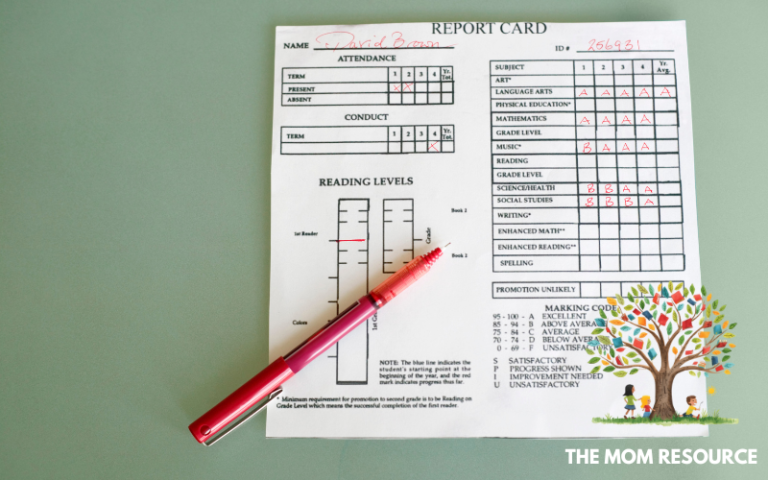
You can track your child’s progress through daily observation, keeping a portfolio of their work, and engaging in casual conversations about what they are studying. If you prefer formal metrics, you can administer standardized tests at the end of the year or use online platforms that automatically track educational progress and grade levels.
What if I am not smart enough to teach high school subjects like chemistry or calculus?
You do not have to be an expert in every subject to successfully homeschool your teenager. You can utilize dual enrollment at local community colleges, hire specialized tutors, enroll them in online classes, or use video-based curricula where expert instructors teach the complex material directly to your child.
Can I homeschool if I work a full-time job?
Yes, but it requires careful scheduling and flexibility. Many working parents homeschool by teaching in the evenings, early mornings, or on weekends. Some families utilize hybrid models, share teaching duties between partners, or rely on family members and homeschool co-ops to help supervise learning during traditional work hours. See “How To Homeschool Your Child While Working Full Time: 10 Tips and Helpful Strategies“.