How to Start Homeschooling as a Christian Mom (Beginner Guide)
Introduction: When God Calls You to Something New
There’s a moment many moms experience. It’s quiet, almost unnoticeable at first. Maybe it happens while watching your child struggle in a traditional setting. Maybe it comes during prayer. Maybe it’s just a gentle nudge that won’t go away.
A thought:
“What if I homeschooled?”
And just as quickly, the questions come flooding in.
Am I qualified?
Where do I even start?
What if I mess this up?
How will I manage this with everything else?
If that’s where you are right now, I want you to know something clearly and honestly:
You are not alone. And you are not unqualified.
Homeschooling, especially as a Christian mom, isn’t about having all the answers. It’s about obedience, stewardship, and building a home centered on truth, peace, and intentional growth.
This guide will walk you through how to Start homeschooling and everything you need to start practically, emotionally, and spiritually.
Why Christian Homeschooling Is Growing (and Why It Matters)
More families than ever are choosing to homeschool. But for Christian moms, the decision often goes deeper than academics.
It’s about:
- Discipleship, not just education
- Character, not just curriculum
- Truth, not just information
Deuteronomy 6:6–7 reminds us:
“These commandments that I give you today are to be on your hearts. Impress them on your children…”
Homeschooling gives you the unique opportunity to weave faith into everyday life.
Step 1: Shift Your Mindset (This Comes First)
Before curriculum. Before schedules. Before supplies.
You need to reset your expectations.
You Don’t Have to Recreate School at Home
One of the biggest mistakes new homeschool moms make is trying to replicate traditional school.
You don’t need:
- 8-hour school days
- Desks and strict schedules
- Constant worksheets
Homeschooling is:
- Flexible
- Relational
- Lifestyle-based
Especially in early years, children learn best through:
- Conversation
- Play
- Observation
- Real-life experiences
You Are More Qualified Than You Think
You’ve been teaching your child since birth.
You taught them:
- How to speak
- How to walk
- How to behave
- How to love
Teaching them to read, write, and think is simply the next step.
You don’t need perfection. You need willingness.
Step 2: Understand Your State Requirements
Before you begin, you need to understand your legal responsibilities.
Every state has different homeschool laws. Some require:
- Notification
- Attendance records
- Evaluations
Others are very minimal.
Take a little time to:
- Look up your state homeschool laws
- Join a local homeschool group
- Save a simple checklist
This step might feel intimidating, but once you understand it, it becomes very manageable.
Step 3: Choose Your Homeschool Style (Keep It Simple)
You don’t need to label yourself, but understanding different approaches helps you find your rhythm.
Here are a few common styles:
1. Traditional
- Structured
- Workbook-based
- Similar to school
2. Charlotte Mason
- Gentle, literature-based
- Nature-focused
- Short lessons
3. Montessori-Inspired
- Hands-on
- Child-led learning
- Real-life skills
4. Unschooling (or relaxed homeschooling)
- Interest-led
- Flexible
- Less structured
5. Eclectic (most common)
- Mix of everything
As a Christian mom, many naturally lean toward:
- Gentle structure
- Faith integration
- Real-life learning
You don’t have to decide everything right away. Start simple and adjust as you go.
Step 4: Pick a Curriculum (Without Overthinking It)
This is where many moms get stuck.
Let’s simplify it.
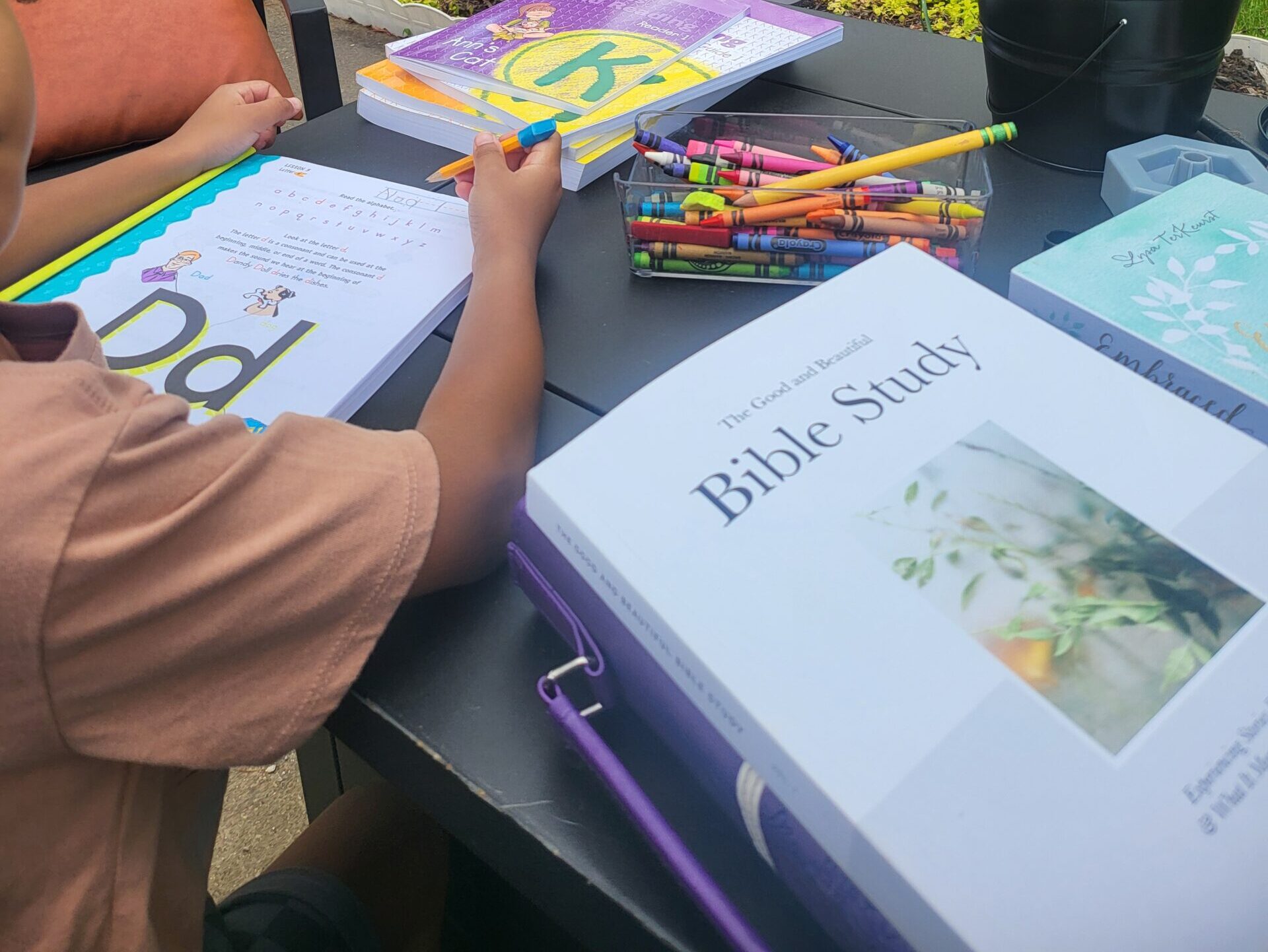
You Only Need to Cover the Basics:
- Reading
- Writing
- Math
- Bible
That’s it.
Everything else is a bonus.
For Beginners, Choose:
- Open-and-go curriculum
- Minimal prep
- Clear instructions
Avoid:
- Overloading yourself
- Buying too much
- Trying to do everything
Faith Integration Ideas
- Daily Bible reading
- Scripture memory
- Prayer time
- Character discussions
Homeschooling allows faith to be natural, not forced.
Step 5: Create a Simple Daily Rhythm
Not a strict schedule. A rhythm.
Here’s an example:
Morning
- Breakfast
- Bible time
- Reading lesson
Midday
- Math
- Writing or activity
Afternoon
- Free play
- Chores
- Outside time
Evening
- Family time
- Read aloud
Your day does not need to be perfect.
Some days will feel peaceful. Others will feel chaotic.
That’s normal.
Step 6: Start Small (This Is Key)
You don’t need to start everything on day one.
Start with:
- Reading
- Math
- Bible
Once that feels manageable, slowly add more.
Progress over perfection.
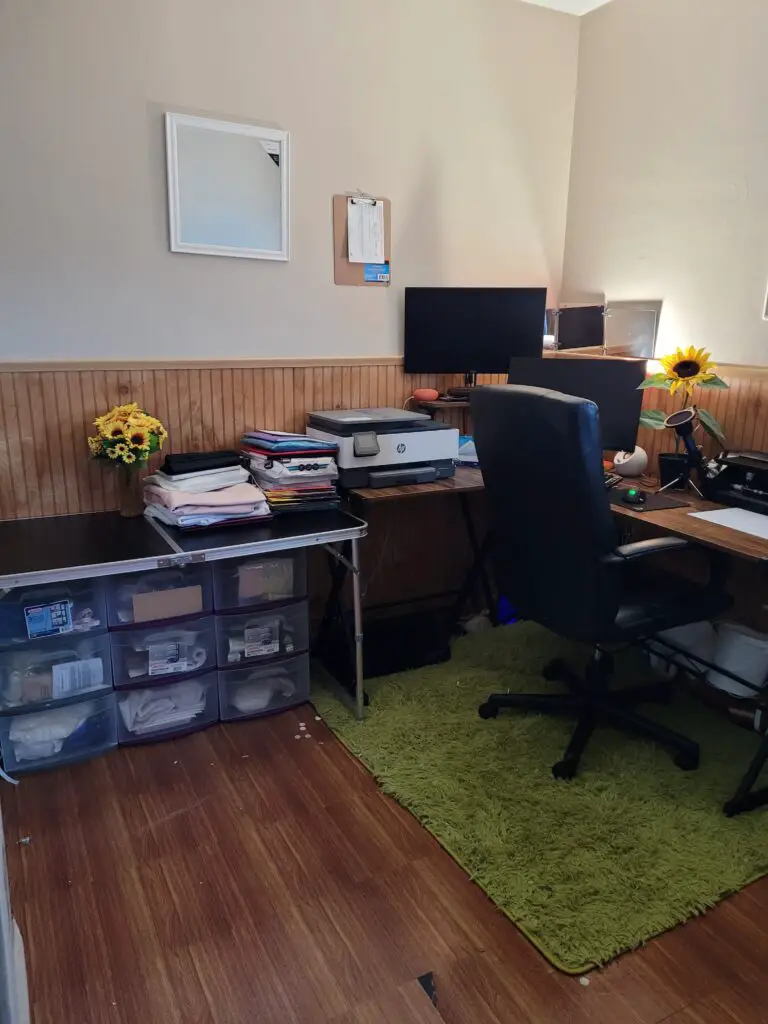
Step 7: Create a Peaceful Learning Environment
Your home doesn’t need to look like Pinterest.
But it should feel:
- Calm
- Inviting
- Safe
Simple ways to do this:
- Declutter your learning space
- Keep materials accessible
- Use natural light
- Play soft music if it helps
A peaceful home supports a peaceful homeschool.
Step 8: Expect Hard Days (and Don’t Quit Because of Them)
There will be days when:
- Your child doesn’t listen
- Lessons feel frustrating
- You feel overwhelmed
This does not mean homeschooling isn’t working.
It means you’re human.
Instead of quitting, ask:
- Do we need a break?
- Do we need to simplify?
- Am I expecting too much?
Grace matters more than perfection.
Step 9: Build a Support System
Homeschooling doesn’t have to be isolating.
Look for:
- Local homeschool groups
- Church communities
- Online support groups
Even one or two like-minded moms can make a huge difference.
Step 10: Focus on the Heart, Not Just the Results
It’s easy to measure:
- Reading levels
- Math skills
- Progress charts
But don’t forget what matters most:
- Character
- Faith
- Relationship
You are raising a child, not managing a system.
Common Fears (and the Truth Behind Them)
“What if I mess them up?”
You won’t ruin your child by being present, intentional, and loving.
“What if I’m not consistent?”
Consistency grows over time. Start where you are.
“What if they fall behind?”
Behind compared to who?
Every child learns at a different pace.
Homeschooling as a Ministry
Homeschooling is more than education.
It’s:
- Discipleship
- Stewardship
- Service
You are shaping:
- How your child thinks
- What they believe
- Who they become
That matters deeply.
Simple First Week Plan (So You Don’t Overthink It)
If you’re unsure how to begin, try this:
Day 1–2
- Read together
- Do a simple math activity
- Talk about a Bible story
Day 3–4
- Add writing practice
- Go outside and explore
Day 5
- Keep it light
- Reflect on what worked
That’s enough.
Encouragement for the Mom Who Feels Overwhelmed
If you feel unsure, stretched, or even a little afraid, that’s okay.
Big, meaningful decisions often come with uncertainty.
But here’s what matters:
- You are present
- You are intentional
- You care deeply
That already sets you apart.
God doesn’t call the equipped. He equips the called.
Final Thoughts: Start Before You Feel Ready
You don’t need:
- The perfect curriculum
- The perfect schedule
- The perfect home
You just need to start.
Take the first step:
- Choose one subject
- Create a simple rhythm
- Show up each day
Homeschooling becomes easier not because it’s simple, but because you grow into it.
If you need more inspiration, checkout my homeschool video library!