Fun and Simple Screen-Free Activities for 1-Year-Olds
You might think that handing over a tablet or turning on a cartoon is the only way to get five minutes of peace to drink your coffee. It is completely normal to feel exhausted and lean on technology when you need a break. But the truth is, your baby does not actually need a screen to stay entertained or happy. They just want to explore the world around them in safe, simple ways.
Screen-free play is the absolute best way to help your baby develop important skills and build a strong, loving bond with you. At this age, everything is brand new to them. The crinkle of a piece of paper, the feeling of grass on their toes, or the sound of blocks crashing down are all magical learning experiences. When we replace screens with hands-on play, we give their growing brains exactly what they need to thrive.
We are gonna walk through a bunch of easy, practical ways to keep your little one busy without relying on a screen. Keep reading for realistic ideas, simple household options, and a few great Amazon finds to make playtime a breeze. You are doing a wonderful job, and building a fun play routine is easier than you think!
Understanding 1-Year-Old Development
It can feel overwhelming to figure out what a one-year-old should actually be doing all day. You might worry they are not learning enough or playing the “right” way. But rest assured, they are learning constantly just by moving and interacting with you.
Key Milestones at This Age
Right around their first birthday, babies are going through massive changes. They are mastering gross motor skills like pulling up to stand, cruising along the couch, and taking those exciting first steps. Their fine motor skills are sharpening too. They are learning to use their thumb and pointer finger to pick up tiny objects, which is called the pincer grasp. Cognitively, they are starting to understand that things still exist even when they cannot see them. Socially, they love interacting, copying your facial expressions, and pointing to show you things.
How Play Supports These Milestones
Play is not just a way to pass the time. It is the actual “work” of childhood. When your baby stacks blocks, they are learning gravity and hand-eye coordination. When they babble back and forth with you, they are learning language. Every single time you get down on the floor and play with your baby, you are directly supporting their brain development.
The Impact of Excessive Screen Time
It may seem like educational shows are giving your baby a head start, but the truth is that fast-paced screens can actually overstimulate their developing nervous system. Babies learn best from three-dimensional, real-world interactions. Taking a break from screens helps them focus better, sleep more soundly, and learn to entertain themselves safely. You are giving them a wonderful gift by choosing hands-on play!
Setting Up a Screen-Free Environment
You might feel like you need a Pinterest-perfect playroom to keep your child happy. But honestly, a safe, designated spot in your living room works perfectly.
Child-Proofing and Safety Considerations
Before we get to the fun stuff, we need to make sure the space is totally safe. Get down on your hands and knees to see the room from their level. Cover up those electrical outlets, anchor heavy furniture to the wall, and move any choking hazards out of reach.
Creating Designated Play Zones
Create a cozy corner where your baby knows their toys live. You can put down a soft rug or a foam play mat to make it comfortable for sitting and tumbling. Having a specific play space helps them feel secure and makes clean-up so much easier for you.
Age-Appropriate Toy Selection
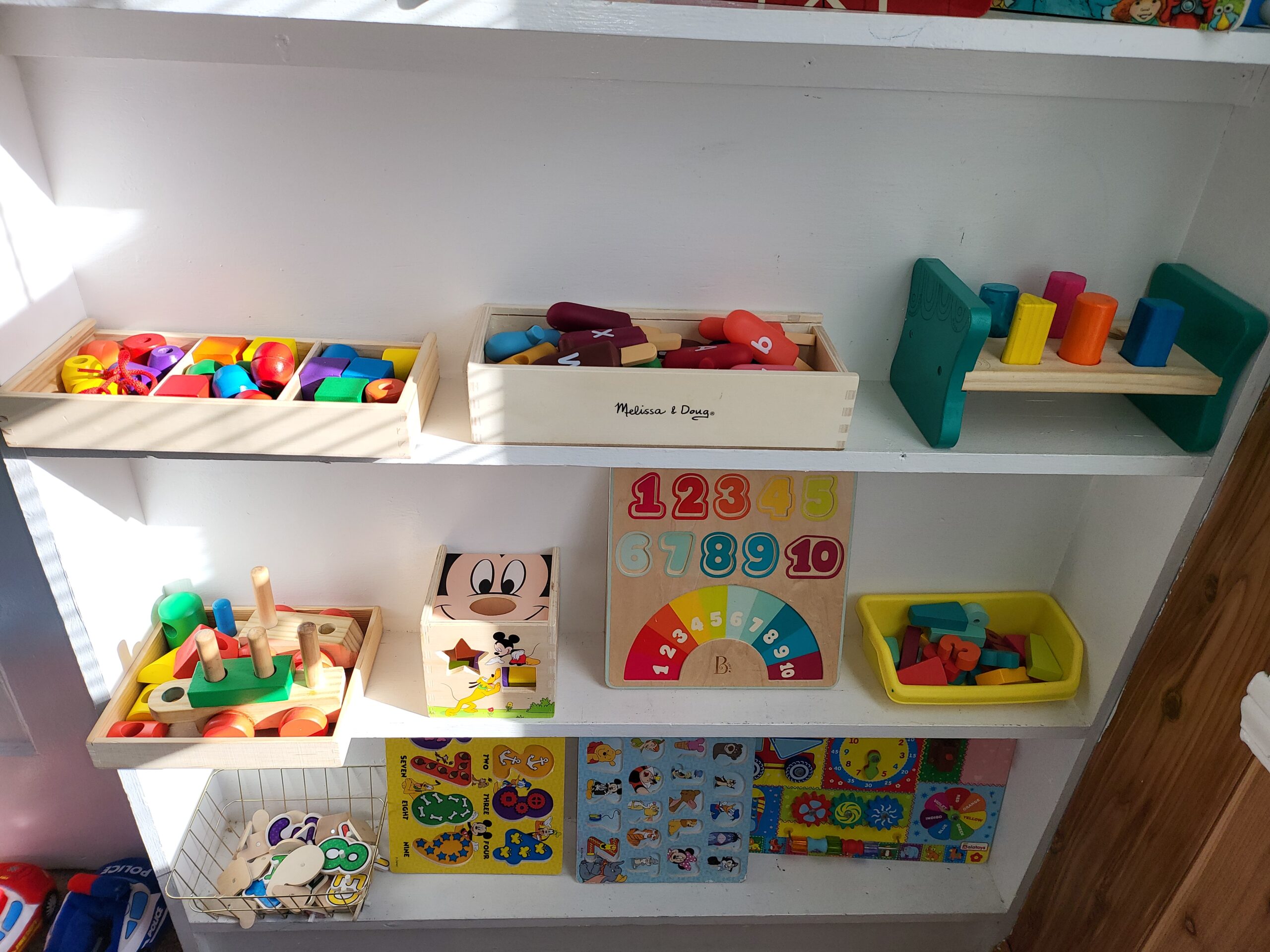
You do not need toys that light up, sing, or move on their own. The best toys for this age are open-ended items that let your baby do the work. Think about natural materials like wooden blocks or simple fabric dolls. On Amazon, you can find fantastic starter sets like the Lovevery Play Kits or a simple set of Melissa & Doug wooden blocks. These toys grow with your child and encourage deep, imaginative play.
Engaging Activities for Gross Motor Development
Gross motor skills are all about those big body movements. One-year-olds are busy bodies, and they need safe ways to get their energy out!
Tummy Time Variations and Benefits
Even if your baby is already sitting or crawling, tummy time is still incredibly valuable for strengthening their back and shoulder muscles. Try placing a favorite toy just out of reach, or put a baby-safe mirror on the floor so they can look at themselves while they play.
Crawling Courses and Obstacle Fun
Turn your living room into an adventure zone! Grab your couch cushions, some soft blankets, and bed pillows to create a safe mountain for them to climb over. You can also buy a set of soft foam climbing blocks on Amazon. It is a fantastic way to tire them out right before nap time.
Early Walking Activities
If your little one is pulling up, give them sturdy things to practice with. Push toys are brilliant for this. A classic wooden push walker gives them the stability they need to practice taking steps confidently. You can also space your coffee table and couch just far enough apart to encourage them to cruise from one to the other.
Outdoor Play
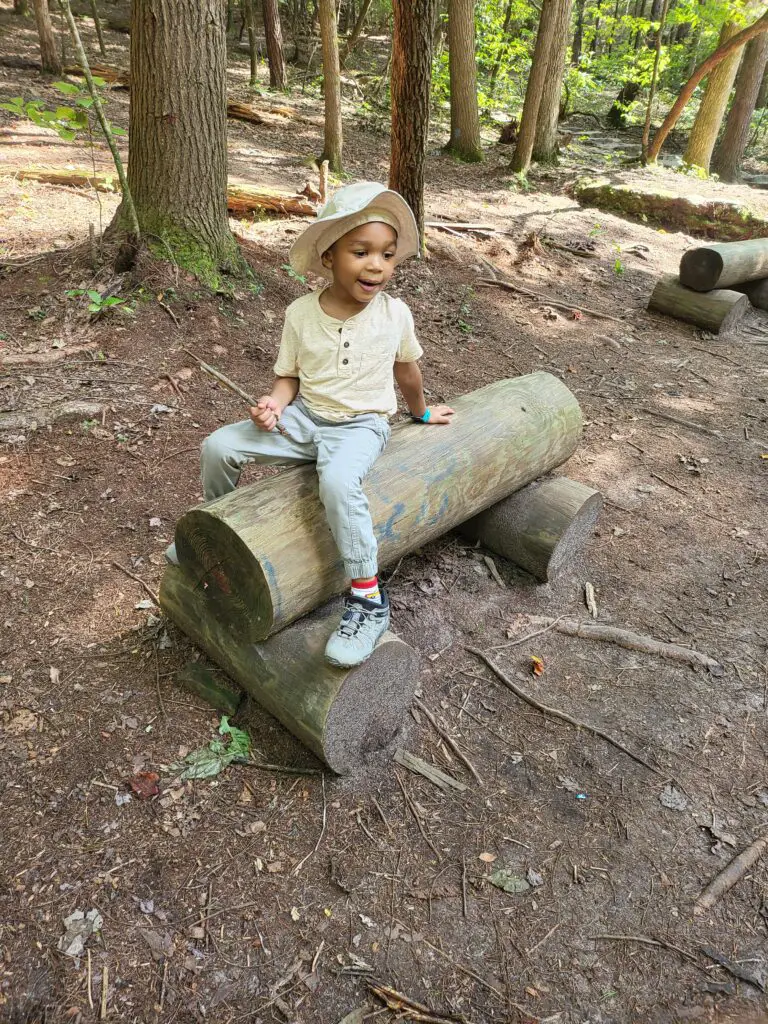
Nature is the best playground. Take your baby outside and let them feel the grass on their bare feet. Give them a soft ball to practice rolling back and forth. Fresh air is wonderfully calming for both of you!
Stimulating Activities for Fine Motor Skills
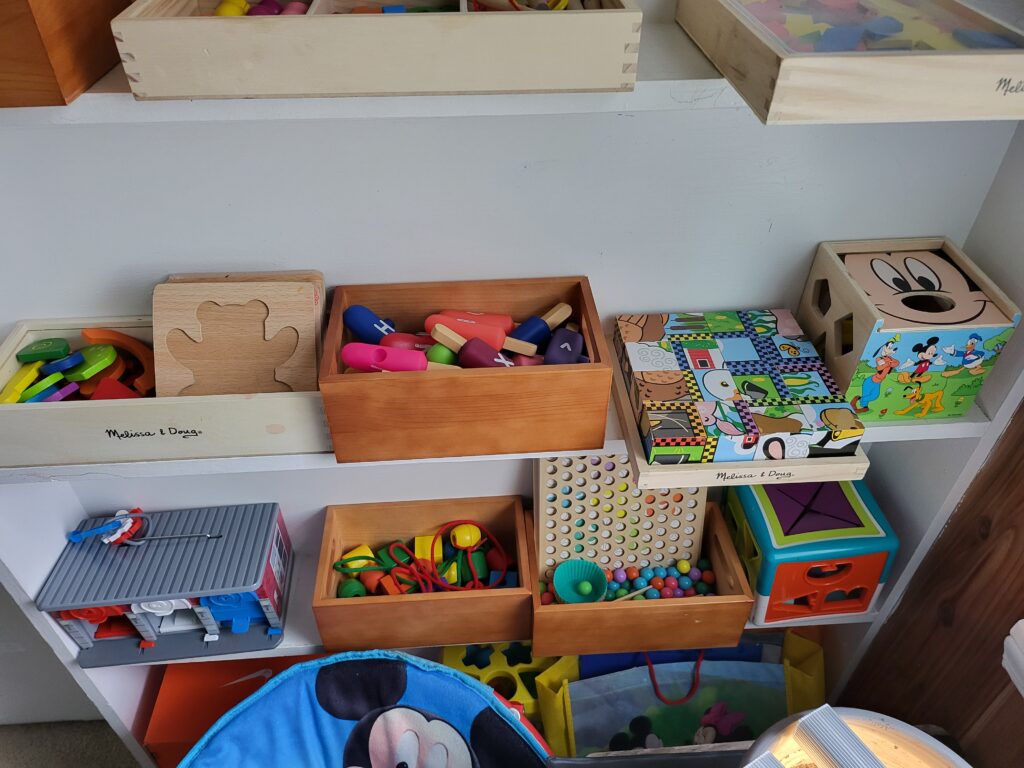
Fine motor activities help your baby learn how to use their hands and fingers carefully. This prepares them for writing, buttoning clothes, and feeding themselves later on.
Stacking and Nesting
Stacking toys require a lot of concentration. Simple plastic or silicone stacking cups from Amazon are a must-have. Show them how to build a tall tower, and let them experience the absolute joy of knocking it down.
Pincer Grasp Activities
You can practice fine motor skills right in the high chair! Scatter some baby puffs, Cheerios, or small pieces of soft banana on their tray. Watching them concentrate as they pinch each little piece of food is amazing. It is a snack and a developmental activity wrapped into one.
Container Play
Babies at this age are obsessed with putting things in and taking things out. Give them a clean, empty wipes container or an old coffee tub. Hand them some large, safe items like ping pong balls or wooden blocks. Watching them fill the container, dump it out, and do it all over again is simple play at its finest.
Art Exploration
Yes, a one-year-old can do art! Put a blob of plain yogurt mixed with a little food coloring on their high chair tray and let them finger paint. It is totally safe if they eat it. You can also introduce chunky, non-toxic crayons and a big piece of paper. Just supervise closely to make sure the crayons stay on the paper and out of their mouths.
Cognitive Development Through Play
Your baby is basically a tiny scientist, testing how the world works every single day.
Object Permanence Games
Peek-a-boo never gets old for a one-year-old. You can also hide a favorite toy under a blanket and ask, “Where did it go?” When they pull the blanket away to find it, they are learning that things still exist even when hidden.
Cause and Effect Toys
They love figuring out that their actions cause something to happen. Toys with simple buttons to push or levers to pull are great. A classic pop-up toy is an excellent Amazon find that teaches this concept beautifully.
Simple Puzzles and Shape Sorters
Start with chunky wooden puzzles that have only three or four large pieces with pegs. Shape sorters are another fantastic option. Even if they cannot get the shapes in the right holes yet, just banging the pieces together and exploring the bucket is great for their brain.
Introduction to Books
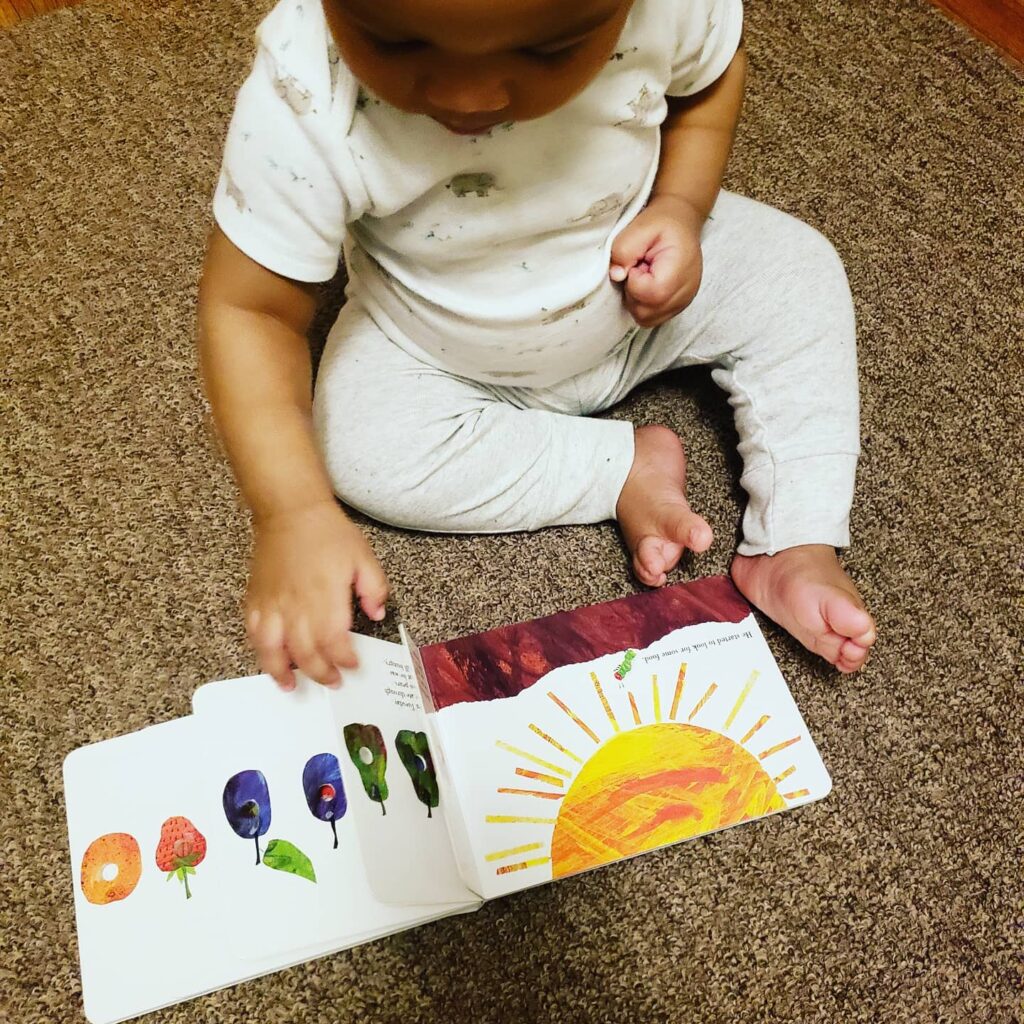
Reading is one of the most powerful things you can do with your baby. Choose sturdy board books with thick pages they can turn themselves. Books with lift-the-flap features or varying textures are highly engaging. Try to read at least one book together every single day.
Nurturing Social-Emotional Growth
Your baby is learning how to relate to the people around them. They rely entirely on you to help them feel safe and loved.
Interactive Play with Caregivers
Don’t be afraid to love on your little one! Tickle fights, singing silly songs, and rhyming games like “Pat-a-Cake” build deep connections. When you laugh together, you are wiring their brain for happiness and security.
Encouraging Independent Play
It is perfectly healthy to encourage short bursts of solo play. Sit near them, but let them explore a toy entirely on their own for five or ten minutes. This builds their confidence and attention span.
Responding to Bids for Attention
When your baby holds up a toy to show you or babbles in your direction, respond to them. Acknowledge what they are showing you. This tells them that their thoughts and feelings matter to you.
Introducing Other Children
Supervised playdates are a great way to introduce social skills. At this age, they will mostly engage in “parallel play,” meaning they will play next to another child rather than directly with them. Just keep a close eye out for toy-snatching!
Sensory Play for 1-Year-Olds
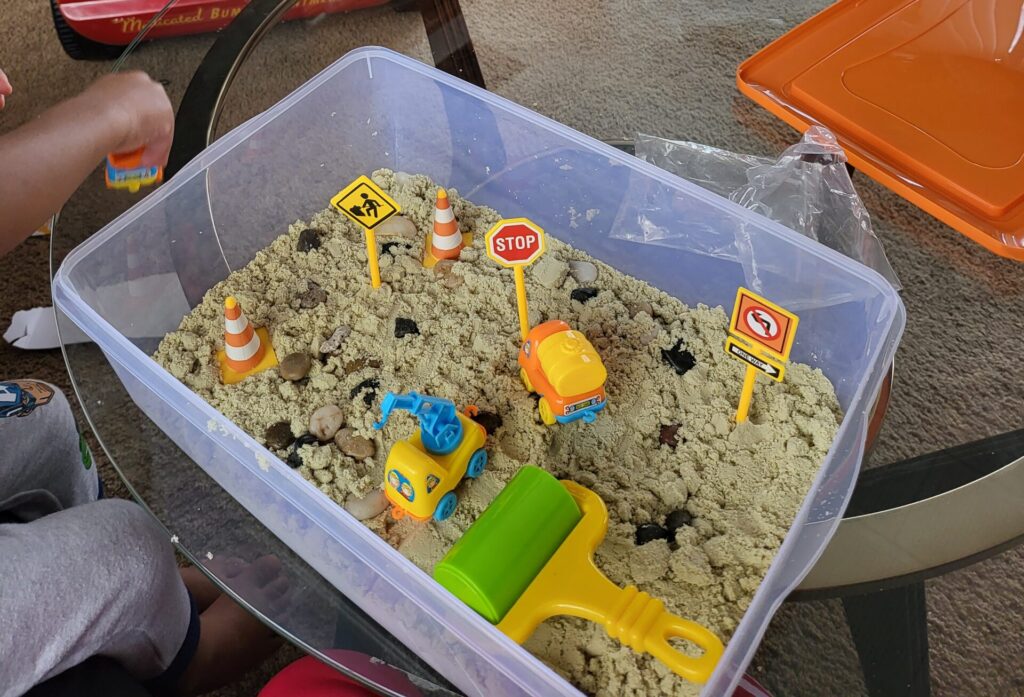
Sensory play lets your baby learn through touch, sight, sound, and taste. It is messy, fun, and highly educational.
Exploring Textures
Grab a small plastic storage bin and fill it with dry oatmeal or large, cooked pasta noodles. Let them dig their hands in and explore. Always supervise sensory bins closely to ensure they stay safe.
Sound Exploration
You do not need to buy expensive musical instruments. Hand your baby a wooden spoon and a metal mixing bowl, and you have got a drum set! You can also fill a small, tightly sealed plastic bottle with dry rice to make a homemade shaker.
Taste Exploration
Offering a variety of safe, soft foods is a great sensory experience. Let them feel the slippery texture of an avocado or the juiciness of a watermelon slice. Eating is a massive sensory event for babies!
Water Play
Water play is a guaranteed hit. Put an inch of water in a shallow baking dish, lay down a towel, and give them a few plastic cups and spoons. Splashing, pouring, and scooping water is incredibly calming and engaging for a busy toddler.
Practical Tips for Parents and Caregivers
Transitioning to more screen-free time can feel like a big shift, but a few simple strategies make it totally manageable.
Observe and Follow Your Child’s Lead
If you set up an activity and they only want to play with the cardboard box it came in, let them! Follow their curiosity. Play is not about doing things perfectly; it is about letting them explore.
Rotate Toys to Maintain Interest
If a child has too many toys out at once, they get overwhelmed and end up playing with nothing. Try packing half of their toys away in a closet. Every couple of weeks, swap them out. Old toys will magically feel brand new again.
Prioritize Connection Over Perfection
Your house might get messy, and the activities might not look Instagram-worthy. That is completely okay. Your baby does not care about the mess. They just care that you are there, smiling and interacting with them.
Be Present and Engaged
Try to put your own phone away during dedicated playtime. When you give them your full, undivided attention, they feel valued and deeply loved.
Dealing with Meltdowns and Transitions
Meltdowns happen. When it is time to clean up or move on to a new activity, give them a warning. Say, “We are gonna put the blocks away in two minutes.” If they cry, validate their feelings. Keep calm and comfort them through the big emotions.
Addressing Common Concerns
You might still have some worries about ditching the screens. Let’s talk about them directly.
“My child only wants screens.”
It may seem like they are hopelessly addicted to the tablet, but the truth is their brains are just used to the fast-paced stimulation. If you remove the screens, they will protest for a few days. Be patient. Offer engaging alternatives like water play or a walk outside. Their brain will readjust to the normal pace of real life very quickly.
“I don’t have enough time.”
It can feel impossible to entertain a baby when you have chores to do. But the truth is, you do not have to be their sole source of entertainment 24/7. Let them sit in their high chair with some Tupperware containers while you cook dinner. Include them in your daily life instead of trying to separate play from your household tasks.
“What about educational apps?”
Many parents believe that apps are teaching their one-year-olds letters and numbers. The reality is that children this young cannot translate what they see on a flat screen into the real world. They learn far more by counting real blocks on the living room floor with you than they ever will from an app.
35 Screen-Free Activities for 1-2 Year Olds
Here’s a list of fun and engaging screen-free activities to enjoy with your little one. Each activity promotes hands-on learning and developmental growth. For ease, I’ve included links to related affordable options available on Amazon.
- Build with Wooden Blocks
Stack, sort, and knock them down!
Wooden Blocks on Amazon - Water Play in a Sensory Bin
Use measuring cups, spoons, and floating toys.
Sensory Bin Toys - Finger Painting
Messy, but oh-so-fun for creativity!
Non-Toxic Finger Paints - Play Dough Exploration
Encourage squishing, rolling, and creating shapes.
Safe Play Dough - Push and Pull Toys
Great for gross motor development!
Push Toys - Bubble Blowing
Laughs guaranteed as they chase bubbles.
Bubble Wands - Build a Fort with Pillows and Blankets
Crawl in and read a book together. - Inspect Objects with a Toddler-Safe Magnifying Glass
Spark curiosity and practice observation.
Toddler Magnifying Glass - Play with Musical Instruments
Bang drums or shake maracas to make music.
Toddler Musical Instruments - Sort Shapes into a Shape Sorter Toy
Great for hand-eye coordination.
Shape Sorter - Dance to Music
Move and groove to upbeat songs—you can’t go wrong. - Pretend Cooking with Play Food
Chop plastic veggies or bake play cakes.
Toy Kitchen Food Set - Read Soft Books Together
Point, narrate, and listen to baby giggles.
Soft Baby Books - Play Peekaboo Behind a Scarf
They’ll never tire of the surprise! - Stack Rings on a Ring Stacker Toy
A classic for coordination skills.
Ring Stacker - Explore Drawing with Crayons
Chubby crayons fit perfectly in little hands.
Non-Toxic Crayons - Bath Time with Fun Toys
Pour, squirt, and float objects in water.
Bath Toys - Practice Walking with a Toddler Walker
Support their stride with sturdy walkers.
Toddler Walker - DIY Ribbon Dancing Wand
Twirl pretty ribbons in the air. - Play with Soft Plush Animals
Perfect for pretend play and cuddles.
Soft Plush Toys - Explore Textures with a Touch-and-Feel Board Book
Stimulate curiosity and tactile senses.
Touch-and-Feel Books - Roll a Soft Ball Back and Forth
Simple and loads of fun!
Toddler Soft Balls - Sing Nursery Rhymes with Actions
Encourage clapping, waving, and more. - Look for Bugs or Leaves on a Nature Walk
Help them explore the outdoors safely. - Pretend Play with a Doctor Kit
Encourage roleplay and imagination.
Toddler Doctor Kit - Splash Hands in a Shallow Bucket of Water
Add plastic animals for even more fun. - Practice Lacing with Big Beads
Boost fine motor skills and concentration.
Lacing Beads - Build Towers with Large Plastic Cups
Knock them down for added giggles. - Create a Simple Drum with a Plastic Container
Use wooden spoons to make a rhythm. - Walk Outside with a Toddler-Safe Harness or Backpack
Explore your yard or nearby park.
Toddler Harness Backpack - Match Colors with Sorting Cups and Objects
Teach colors and work on sorting skills.
Color Sorting Cups - Climb Over Cushions in an Obstacle Course
Help them practice balance and coordination. - Wear Adult Shoes Around the House
Hours of fun with this silly activity! - Pretend to Be Animals
Hop like a bunny, stomp like an elephant, roar like a lion. - DIY Shakers with Bottles and Dried Beans
Shake the rhythm during music time.
These activities are excellent alternatives to screen time and are designed to fill your little one’s day with laughter, learning, and love!
Creating a Lifetime of Discovery
Taking a step back from screens might feel intimidating at first, but it opens up a beautiful world of connection and growth for your child. By setting up a safe space, offering simple, open-ended toys, and engaging in hands-on play, you are laying a foundation of curiosity that will last a lifetime.
Remember, you do not need to be a perfect Pinterest parent. You do not need an endless supply of expensive toys. You just need to be willing to get down on the floor, embrace the mess, and share in their joy. Trust yourself. You have everything it takes to help your little one thrive. Go ahead and love on your baby today, knowing that your presence is the very best toy they could ever ask for!