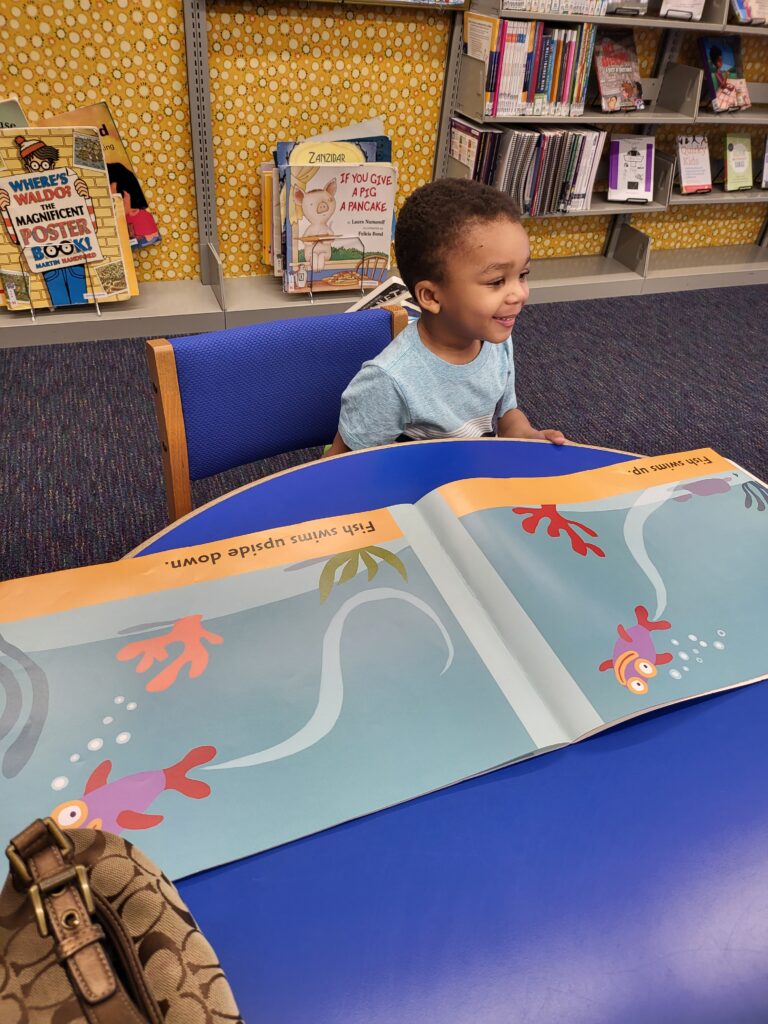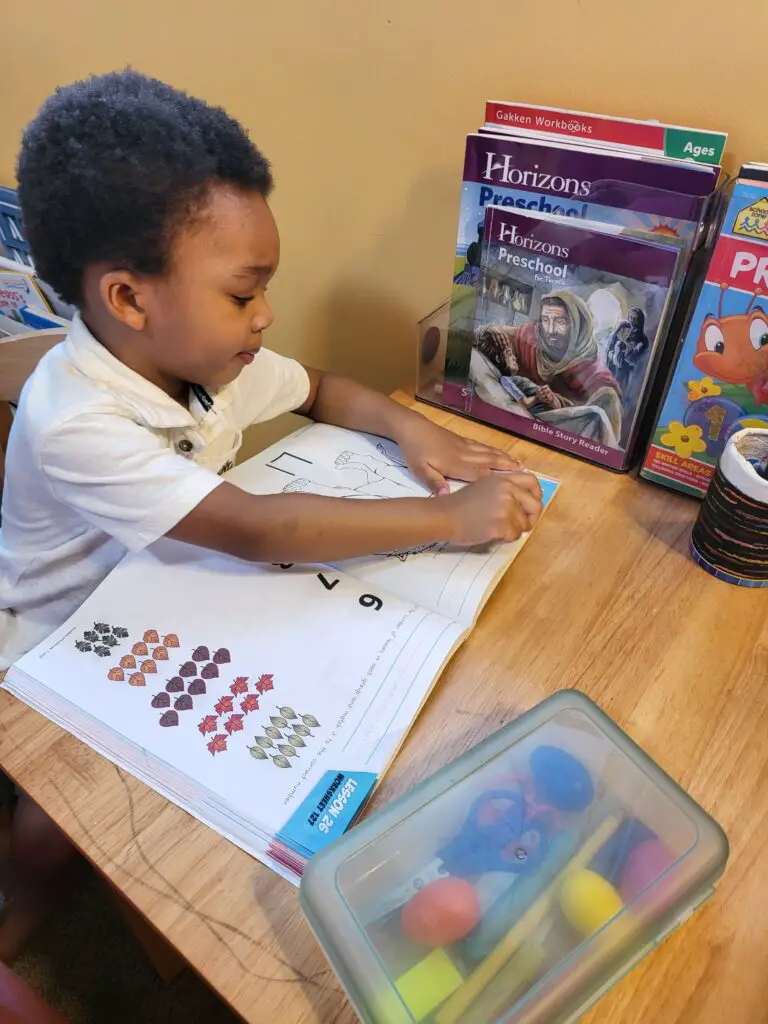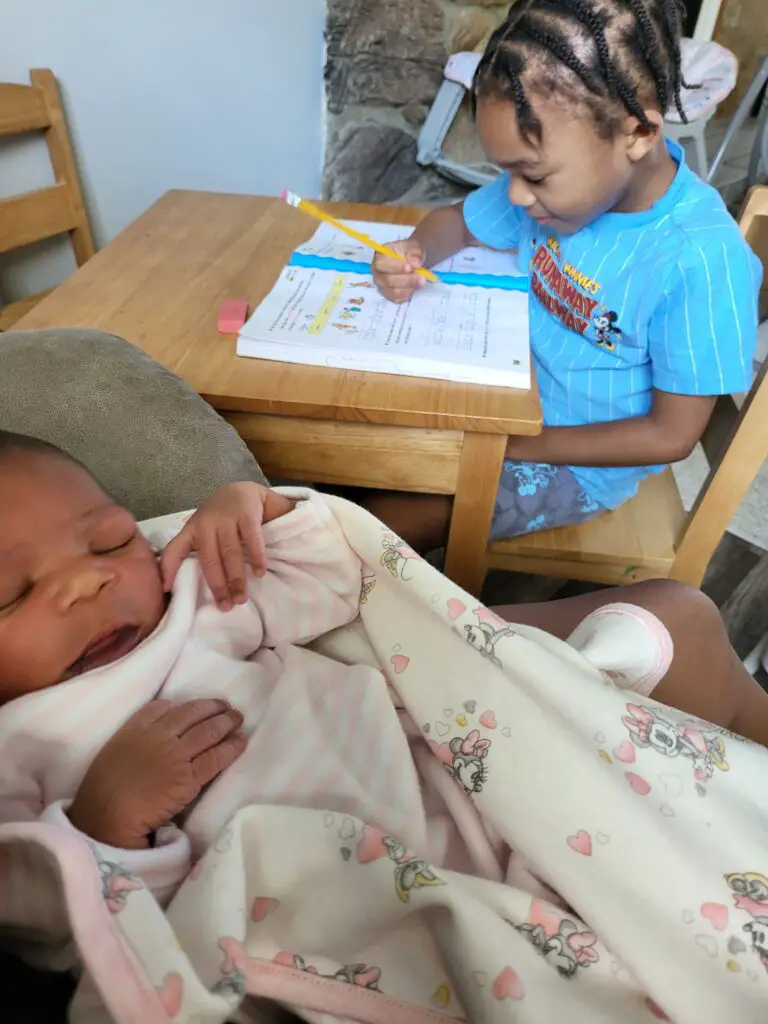

Best Read-Alouds for Homeschool: 70+ Books by Age (With Discussion Questions)
If I could keep only one habit in our homeschool, it would be reading aloud. Not the curriculum, not the planner, not the pretty schedule. Just a stack of good books and a warm place to sit together.
I did not always believe that. In my first year of homeschooling, I was convinced that real learning happened at the table with a workbook open. Read-alouds felt like dessert, something we earned after the “real” work was done, and on hard days they were the first thing to go.
Then one rainy afternoon, with everyone cranky and nothing going right, I pulled Charlotte’s Web off the shelf and started reading just to calm the room. Within a page, the whining stopped. By the end of the chapter, my kids were asking questions I could never have planted with a worksheet. Why was Wilbur so afraid? What does it mean to be a true friend? Could words really save a life?
That afternoon changed how I plan our days. Now read-alouds are the backbone of our homeschool instead of the extra. They carry our history, our vocabulary, our character training, and a lot of our family culture.
If you are an overwhelmed mom searching for the best read-alouds for homeschool, this guide is for you. Here is what you will find inside:
- More than 70 books sorted by age, from toddler picture books to teen classics
- A simple way to fit read-alouds into a real homeschool day, even with a baby on your hip
- Discussion questions you can use with zero prep
- A faith-friendly section of books that point little hearts toward the Lord
- Answers to the questions moms ask me most
Grab a cup of coffee, and maybe your library card. Let’s build your read-aloud list.
Why Read-Alouds Belong in Every Homeschool
Read-alouds do more than fill a few quiet minutes. They quietly build almost every skill you want your children to have, and they do it while everyone is snuggled up and happy. Here is what I have seen in our own home, and what reading educators have talked about for decades (Jim Trelease’s The Read-Aloud Handbook is a great place to start if you want to dig deeper).
They grow vocabulary and comprehension beyond your child’s reading level
A child can listen to far more complex language than they can read on their own. When you read aloud a book that is a few grade levels up, your kids hear rich words, long sentences, and big ideas in a context they can follow. My younger kids now use words like “reluctant” and “plodding” correctly because they heard them in a story first.
They stretch attention spans
In a world of ten-second videos, sitting still for a chapter is a skill. Read-alouds train it gently. Start with five minutes and watch it grow.
They make hard subjects easier to talk about
Stories let children walk through fear, grief, bravery, and forgiveness from a safe distance. When a character makes a bad choice, you can talk about it without pointing a finger at your child.
They connect your family
Some of my sweetest homeschool memories are not from lessons at all. They are from the couch, with a blanket over everyone’s legs and one more chapter begging to be read. Those moments build the kind of closeness that makes everything else in homeschooling easier.
They simplify your planning
One book can cover several children, several subjects, and several ages at once. A good historical novel can serve as history, geography, vocabulary, and character training in the same sitting. If you are juggling multiple children, read-alouds are one of the best ways to make your day lighter, not heavier.
They fit beautifully with a faith-centered home
Scripture tells parents to weave truth into ordinary life: “And thou shalt teach them diligently unto thy children, and shalt talk of them when thou sittest in thine house, and when thou walkest by the way, and when thou liest down, and when thou risest up” (Deuteronomy 6:7, KJV). A read-aloud is one of the easiest ways to do exactly that. You sit, you read, and then you talk about what is true, honest, and lovely. Philippians 4:8 calls us to think on whatever things are true, pure, and lovely, and a well-chosen book keeps those things in front of our kids.
If you love the idea of gentle, book-centered learning, you will also enjoy my complete guide to the Charlotte Mason method, where living books and read-alouds take center stage.
How to Make Read-Alouds Work in a Real Homeschool Day
The best read-aloud routine is the one you will actually keep. Here are the habits that made the biggest difference for us.
- Pick one anchor time. Attach reading aloud to something that already happens every day: right after breakfast, after lunch cleanup, or before quiet time. When it is tied to an existing habit, you stop having to decide whether to do it. If you want help building a rhythm around it, my homeschool daily schedule template shows how to place it.
- Start small. Ten minutes counts. For ages 2 to 4, five minutes with a picture book is plenty. For older kids, 20 to 30 minutes is a lovely target, but build up slowly.
- Give little hands something to do. Many kids listen better when their hands are busy. Quiet coloring, Play-Doh, LEGO, puzzles, or a simple notebook for drawing what they hear all work well. A fidgeting child is often still listening.
- Make the spot cozy. A couch, a pile of pillows, a blanket on the floor, or a patch of grass in nice weather. A special place signals that this is the good part of the day.
- Preview before you read. Skim ahead, especially with older books, so you are not surprised by a hard scene. Previewing also lets you decide whether to read a chapter on a different day for a younger listener.
- Use your voice, but do not stress about performing. Slow down for the sad parts, speed up when things get exciting, and try a different voice for each character if it feels fun. You do not need to be an actress. Your kids just want you.
- Stop at a good spot. Ending on a cliffhanger is the best motivation I know for getting everyone to the couch tomorrow.
- Let kids narrate. After a chapter, ask one child to tell it back in their own words. This Charlotte Mason habit builds memory, comprehension, and speaking skills with no worksheet at all.
- Keep a read-aloud basket. Put the current chapter book, a few picture books, and a poetry book in one basket near your reading spot. It removes the friction of hunting for books and gives you a gentle option for any age that wanders in.
- Track what you finish. A simple list on the fridge or in a notebook becomes a family treasure. Your kids will love looking back at everything you read together.
Where to find books without spending a fortune
Your public library is your best friend. Use the reserve feature to build a stack ahead of time, and ask your librarian for read-aloud suggestions. Used book sales, thrift stores, and library sale shelves are great for building a home collection of favorites. For the books your family loves enough to read again and again, buying a copy is worth it.
Best Read-Alouds for Ages 2 to 4
Toddlers and preschoolers love rhythm, repetition, and pictures they can point to. Keep the books short, the voice playful, and expect to read the same favorite five times in a row. That repetition is how little ones learn language, so do not fight it.
- Goodnight Moon by Margaret Wise Brown: A gentle bedtime classic with soothing rhythm and a quiet room to explore.
- The Very Hungry Caterpillar by Eric Carle: Counting, days of the week, and a tiny life cycle story all in one.
- Brown Bear, Brown Bear, What Do You See? by Bill Martin Jr. and Eric Carle: Colors and animals in a pattern toddlers can chant along with.
- Make Way for Ducklings by Robert McCloskey: A sweet story of a duck family crossing a busy city, with lovely illustrations.
- Blueberries for Sal by Robert McCloskey: A little girl and a little bear swap mothers by accident on a berry-picking day.
- Corduroy by Don Freeman: A small bear in a department store searches for a friend and a missing button.
- The Runaway Bunny by Margaret Wise Brown: A comforting picture of a mother’s steady love, which pairs beautifully with talks about God’s faithfulness.
- Guess How Much I Love You by Sam McBratney: A tender back-and-forth between a parent and child that always ends in snuggles.
- Chicka Chicka Boom Boom by Bill Martin Jr. and John Archambault: Letters climb a coconut tree in a rhyming, bouncy alphabet adventure.
- The Snowy Day by Ezra Jack Keats: A quiet, simple story of a boy exploring the first snow.
- Little Blue Truck by Alice Schertle: A friendly truck, farm animal sounds, and a lesson about helping others.
- A Child’s Garden of Verses by Robert Louis Stevenson: Short classic poems that are perfect for a few minutes of rhythm and beauty.
Tips for reading aloud to toddlers and preschoolers
- Let them turn the pages. It keeps hands busy and builds ownership of the story.
- Ask “What do you see?” and let them point. You are building vocabulary without a lesson plan.
- Read at nap time, snack time, and bedtime, not only during “school.”
- Hum, sing, or act out the story. Little ones learn through their whole bodies.
If you have a toddler while teaching older children, my guide to homeschooling with a baby has more ideas for keeping little ones happy and included.
Best Read-Alouds for Ages 5 to 7
This is the magic window when children are ready for their first real chapter books but still love a good picture book. Their listening skills are far ahead of their reading skills, so this is the perfect age to read aloud stories they cannot yet read themselves. If you are homeschooling a six-year-old with younger siblings around, short chapters and lots of illustrations help everyone stay engaged.
- Winnie-the-Pooh by A. A. Milne: Gentle, funny stories with wonderful language and a lot of heart. Perfect for a first chapter book.
- Charlotte’s Web by E. B. White: Friendship, courage, and loss, told with beautiful writing. Keep tissues nearby.
- Stuart Little by E. B. White: A quirky adventure about a small mouse in a human family.
- The Tale of Peter Rabbit and other stories by Beatrix Potter: Short, charming tales with careful language that stretch young listeners.
- Frog and Toad Are Friends by Arnold Lobel: Tiny stories that teach patience, kindness, and friendship in a few pages.
- Little Bear by Else Holmelund Minarik: Sweet, short stories for early listeners who are ready for a little more plot.
- Paddington by Michael Bond: A polite bear in London who keeps landing in funny trouble.
- My Father’s Dragon by Ruth Stiles Gannett: A short adventure with clever problem-solving and great pacing.
- Mr. Popper’s Penguins by Richard and Florence Atwater: Silly and warm, with a family that learns to love a house full of penguins.
- The Boxcar Children by Gertrude Chandler Warner: Four orphaned siblings make a home in an old boxcar. A strong pick for teamwork and resourcefulness.
- Little House in the Big Woods by Laura Ingalls Wilder: A cozy look at pioneer family life, with plenty of chances to talk about work, seasons, and gratitude.
- The Cricket in Times Square by George Selden: A country cricket, a mouse, and a cat make friends in a New York subway station.
- Mrs. Piggle-Wiggle by Betty MacDonald: Funny, over-the-top solutions to childhood habits like not putting things away. My kids loved the silliness.
- Aesop’s Fables: Short stories with clear morals, great for quick read-alouds and wonderful for narration practice.
Why this age group loves read-alouds
Five-, six-, and seven-year-olds are curious about everything and still believe in wonder. Stories with animals, small adventures, and clear right and wrong give them a safe way to practice empathy. They also love predictable patterns, which makes series like The Boxcar Children great for building listening stamina.
Practical tips for this stage
- Pair a short chapter with a picture book to keep wiggly listeners happy.
- Let them draw while you read, then ask them to tell you about the picture.
- Stop after each chapter and ask, “What do you think will happen next?”
- Keep books on audio for car rides so the story goes with you.
If you want a ready-made structure for early learners, take a look at my posts on homeschooling a 6-year-old with a baby at home and homeschool curriculum for kindergarten.
Best Read-Alouds for Ages 8 to 10
This is the golden age of family read-alouds. Kids can follow longer plots, hold on to characters across many chapters, and talk about big ideas. They are also old enough to start enjoying books with a little danger, a little sorrow, and a lot of courage. Reading these books aloud means you get to be there for the big feelings, not just the plot.
- The Lion, the Witch and the Wardrobe by C. S. Lewis: The classic that opens The Chronicles of Narnia. A rich story of sacrifice and redemption that opens the door to wonderful faith conversations.
- The Hobbit by J. R. R. Tolkien: A reluctant hero, a dragon, and a quest. Read slowly and enjoy the language.
- Little House on the Prairie by Laura Ingalls Wilder: Pioneer life, hard work, and a family that sticks together. Good for talking about contentment and perseverance.
- Anne of Green Gables by L. M. Montgomery: A talkative orphan changes everything at Green Gables. Funny, heartfelt, and full of imagination.
- The Secret Garden by Frances Hodgson Burnett: A story of healing, friendship, and the way nature and kindness can restore a hurting heart.
- Heidi by Johanna Spyri: A girl in the Swiss Alps, a grumpy grandfather, and a story about faith, home, and healing.
- Sarah, Plain and Tall by Patricia MacLachlan: A short, gentle story about a family learning to love again. Great for a quick finish.
- The Wild Robot by Peter Brown: A robot stranded on an island learns to survive. Short chapters make it easy to fit into a busy day.
- Because of Winn-Dixie by Kate DiCamillo: A lonely girl, a stray dog, and a small town full of people who need a friend.
- The Tale of Despereaux by Kate DiCamillo: A tiny mouse, a brave heart, and a story about light and forgiveness told in a classic storyteller’s voice.
- The Penderwicks by Jeanne Birdsall: Four sisters, a summer cottage, and plenty of fun. A warm family story that feels like a classic.
- Island of the Blue Dolphins by Scott O’Dell: A young girl survives alone on an island. Excellent for talking about resilience.
- Misty of Chincoteague by Marguerite Henry: Wild ponies, a brother and sister, and a determined dream. A hit with horse lovers.
- Black Beauty by Anna Sewell: A horse tells his own story in a book that teaches compassion and kindness toward animals and people.
A note on heavier stories
Some beloved books for this age, like Where the Red Fern Grows by Wilson Rawls, include very sad moments. They can be beautiful, but I always recommend reading them yourself first, or reading them aloud so you can be there to hold a hand and talk afterward. Tears over a good story are not a bad thing. They are a sign that a child’s heart is learning to care.
Read-aloud ideas for this age
- Create a simple map of the story world as you read, adding places as they appear.
- Keep a family “favorite quotes” notebook and write down lines your kids love.
- Connect books to history. After Little House on the Prairie, try a pioneer-style lunch or a lesson on westward expansion.
- Pair a read-aloud with a field trip. My list of faith-friendly homeschool field trip ideas can spark a few connections.
If you like the idea of building your homeschool around quality books like these, you might also enjoy my Charlotte Mason homeschool guide for beginners.
Best Read-Alouds for Ages 11 to 13
Many moms stop reading aloud once their kids can read fluently. I understand why, but this is the age when read-alouds may matter most. Tweens are wrestling with identity, friendship, and big questions. A shared story gives you a natural, low-pressure way to talk about all of it. It also lets you introduce classics that feel intimidating to read alone.
- Treasure Island by Robert Louis Stevenson: Pirates, treasure maps, and a boy who must decide whom to trust. Great for a lively family read.
- Little Women by Louisa May Alcott: Four sisters grow up, with themes of family, ambition, kindness, and character.
- Johnny Tremain by Esther Forbes: A young silversmith’s apprentice caught up in the American Revolution. A natural history pairing.
- Number the Stars by Lois Lowry: A girl in Denmark helps shelter her Jewish friend during World War II. A short, powerful story of courage.
- The Door in the Wall by Marguerite de Angeli: A boy in medieval England learns that difficulty can lead to unexpected strength.
- Hatchet by Gary Paulsen: A boy survives alone in the wilderness. Fast-paced and a favorite with reluctant listeners.
- Swiss Family Robinson by Johann Wyss: A shipwrecked family builds a new life with ingenuity and faith. Look for an abridged edition for easier listening.
- Robin Hood by Howard Pyle: Classic adventure with strong language and plenty of action.
- Across Five Aprils by Irene Hunt: A Civil War story told through the eyes of a young boy. Pair with history for a deeper understanding.
- The Prince and the Pauper by Mark Twain: Two boys swap places, and both learn what life is like on the other side.
- Call It Courage by Armstrong Sperry: A boy afraid of the sea sets out to prove himself. A short, gripping tale.
- Around the World in Eighty Days by Jules Verne: A race around the globe full of mishaps, humor, and geography lessons.
Why it still matters at this age
When I read aloud to my older kids, the books become a doorway to conversations that would feel awkward if I started them cold. It is much easier to ask, “Why do you think she made that choice?” about a character than to ask about your child’s own struggles. A story lets them think out loud without feeling put on the spot.
Tips for reading aloud to tweens
- Let them help choose the next book. Ownership increases buy-in.
- Read after dinner or on car trips, when everyone is already together.
- Use audiobooks for longer classics, then talk about them as a family.
- Do not turn every book into a lesson. Sometimes the best thing you can do is enjoy the story and let it work quietly.
Best Read-Alouds for Teens and the Whole Family
Reading aloud to teenagers feels different, and that is okay. You may not read every day, and you may read in shorter bursts. But when it works, it can become one of the strongest bonds you have. The key is choosing books worth sitting still for, and letting your teen have a voice in what comes next.
These picks also work as whole-family reads, because they have enough depth for older listeners and enough story to keep younger ones engaged.
- The Lord of the Rings by J. R. R. Tolkien: Epic, slow-burn storytelling with themes of courage, sacrifice, and fighting evil. Read a few pages each night and savor it.
- Pride and Prejudice by Jane Austen: Witty, sharp, and surprisingly funny aloud. A great conversation starter about character, pride, and first impressions.
- The Pilgrim’s Progress by John Bunyan: A powerful allegory of the Christian life. Read a modern edition to make the language easier.
- Robinson Crusoe by Daniel Defoe: Survival, resourcefulness, and faith in a classic adventure.
- Tales from Shakespeare by Charles and Mary Lamb: A gentle way to introduce Shakespeare’s plots before you read the plays themselves.
- The Count of Monte Cristo by Alexandre Dumas: A big adventure about betrayal, justice, and mercy. Choose a good abridged edition for family reading.
- Anne of Green Gables series by L. M. Montgomery: Follow Anne through the later books as she grows from schoolgirl to wife and mother.
- Poetry and the Psalms: A few poems or a Psalm read aloud at the start of each day can set the tone for everything that follows.
Tips that keep teens listening
- Ask what they want to hear. Offer a short list of two or three choices.
- Keep it short. Fifteen minutes with real attention beats an hour with eye-rolling.
- Pair reading with food. Snacks and hot chocolate make everything better.
- Let them read a few pages aloud, too. It is good practice, and it gives you a break.
- Be willing to talk. The best part of reading to teens is often what happens after the last page.
If you are planning ahead for the upper grades, my guide to homeschooling high school can help you see how living books fit into that stage.
Best Faith-Based Read-Alouds for Christian Homeschool Families
One of the greatest joys of homeschooling is being able to weave faith into everyday learning. Read-alouds make that natural. These books point children toward Scripture, courage, and trust in God, and many of them have sparked some of the best spiritual conversations in our home.
- The Jesus Storybook Bible by Sally Lloyd-Jones: Tells the whole Bible as one story pointing to Jesus. Beautiful for ages 3 and up, and rich enough for adults.
- The Child’s Story Bible by Catherine Vos: A classic, straightforward retelling of Bible stories for older preschoolers and early elementary kids.
- Little Pilgrim’s Progress by Helen L. Taylor: A simplified version of Bunyan’s allegory for younger listeners.
- The Chronicles of Narnia by C. S. Lewis: Seven books full of courage, sacrifice, and faith. Start with The Lion, the Witch and the Wardrobe and let your kids ask questions.
- The Wingfeather Saga by Andrew Peterson: Starts with On the Edge of the Dark Sea of Darkness. A funny, adventurous series that explores hope, family, and good versus evil.
- The Hiding Place by Corrie ten Boom: The true story of a Dutch family who hid Jewish neighbors during World War II. Best for upper elementary through teens, with a parent previewing and being present for discussion.
- Hinds’ Feet on High Places by Hannah Hurnard: An allegory of a fearful girl who follows the Shepherd to the high places. A beautiful choice for older children and teens.
- Christian Heroes: Then and Now series by Janet and Geoff Benge: Biographies of missionaries and faith heroes, written in a style that works well as chapter-by-chapter reading.
- God’s Smuggler by Brother Andrew: A true account of smuggling Bibles into closed countries. Best for older children and teens.
- The Pilgrim’s Progress by John Bunyan: A lifelong classic. Read it slowly, and enjoy the conversations it stirs up.
Making read-alouds a faith-building habit
A few simple habits can make faith-based reading even more meaningful:
- Start with Scripture. Read a short passage or a Psalm before your chapter book. It sets a tone of reverence for the rest of the time.
- Look for the gospel in every story. Ask, “Where do you see courage, mercy, or sacrifice in this book? How does it remind us of Jesus?”
- Pray after reading. A quick prayer asking God to help your family live out what you read turns a story into a seed.
- Memorize together. If a book mentions a verse that stood out, write it on an index card and tuck it into your morning routine.
For more ideas on bringing faith into your homeschool days, take a look at my list of 10 fun Christian homeschool activities and my guide to choosing a Christian homeschool curriculum.
Read-Aloud Discussion Questions You Can Use Right Now
You do not need a literature degree or a printed study guide. A few good questions turn any story into a conversation. Keep them light, and stop when the interest fades. Not every chapter needs a discussion. Sometimes the best response to a great ending is silence.
Questions for ages 2 to 4
- What was your favorite part?
- Can you show me where the (animal, character) is in the picture?
- How do you think the character felt? Happy? Sad? Scared?
- What would you do if you were the character?
Questions for ages 5 to 7
- What do you think will happen next?
- Why did the character make that choice?
- Was that kind? Was that brave? Was that wise?
- Can you tell me the story in your own words?
- Is there anyone in our family who is like this character?
Questions for ages 8 to 10
- What is the character most afraid of? What does he or she want most?
- Did the character change from the beginning of the book to now?
- What would you have done differently?
- Which line or moment stuck with you the most?
- How does this story connect to something we have learned in history, science, or the Bible?
Questions for ages 11 and up
- What is the author trying to say about courage, friendship, or sacrifice?
- Which character made a hard choice, and was it the right one?
- How would this story be different if it were set today?
- Where do you see good and evil at work, and how do the characters respond?
- What does Scripture say about this situation?
Faith-centered questions for any age
- Where did you see kindness, forgiveness, or courage in today’s reading?
- Did any character remind you of a Bible story or person?
- What does this story teach us about how God wants us to treat others?
- Is there a verse that fits what happened?
Simple narration prompts
Charlotte Mason educators often use narration instead of quizzes, and I love it for its simplicity. After a chapter, say, “Tell me what happened,” and listen. For younger children, a few sentences is wonderful. For older children, ask them to write a paragraph or draw a scene. Narration builds memory, comprehension, and confidence, and it takes almost no prep.
Print this section or save it to your phone so you can pull up a question anytime. A couple of well-timed questions can turn a story into a lasting lesson.
How to Fit Read-Alouds In When Life Is Chaotic
I know what some of you are thinking. “This sounds lovely, but I have a baby, a toddler, and a sink full of dishes.” I have been there, and I promise read-alouds can still work. They just need to be flexible.
Reading aloud with a baby or toddler in the mix
Babies and toddlers rarely sit still, and that is normal. Try these ideas:
- Read while the baby nurses or takes a bottle. It is a built-in sitting time.
- Keep a basket of board books for the little one and let them “read” beside you.
- Use a play mat or high chair near the couch so the baby can be close without being on your lap.
- Read during the baby’s best moods, often right after a nap or a meal.
- Choose shorter chapters on rough days and save the long ones for calmer moments.
I share more of these strategies in my full guide to homeschooling with a baby.
When the day falls apart
Some days, school looks nothing like the plan. On those days, I lower the bar to one thing: a read-aloud. If we get through one chapter and one Bible story, I count the day as a success. Everything else is a bonus. You will be amazed how much learning happens in those ten calm minutes.
Using audiobooks without guilt
Audiobooks are a gift to tired moms. A good narrator can bring a story to life, and you can listen on car trips, during lunch, or while kids do chores. I still like to be the main voice at home, but audiobooks fill the gaps beautifully. Many public libraries offer free audiobook apps, so check yours before you buy anything.
Read-aloud moments hiding in your day
- Breakfast: A picture book or a poem while everyone eats.
- Lunch: A chapter book while hands are busy with sandwiches.
- Quiet time: Older kids listen to an audiobook while the little ones nap.
- Car rides: Audiobooks turn errands into school.
- Bedtime: The classic. A chapter before lights out is a gift you will treasure.
If you want help shaping your daily flow, check out my homeschool schedule ideas for busy families for routines that make space for books.
7 Read-Aloud Mistakes to Avoid (I Made Most of Them)
Nobody gets this perfect. Here are the mistakes I see moms make most often, including me, and how to fix them gently.
- Waiting for the perfect time. If you wait for a quiet house, you will never start. Read in the mess. Read while someone fusses. A good story can handle the noise.
- Choosing books you think you should read. If a book is a slog for you, it will be a slog for your kids. Put it down, try something else, and come back later if you want to. Life is too short for books that make everyone miserable.
- Turning every chapter into a quiz. Too many questions can kill the joy. Ask one or two, or none, and let the story do its work.
- Skipping the preview. Surprises are fun in plot twists but not in unexpected content. Take a few minutes to skim ahead, especially with older books.
- Quitting when kids can read on their own. Independent reading and read-alouds do different jobs. Keep reading aloud long after your kids are fluent readers.
- Comparing your read-alouds to someone else’s. Some families read for an hour a day, and others read for ten minutes. Both are doing something beautiful. Do what fits your family.
- Forgetting to enjoy it. This one matters most. If read-alouds become another box to check, you lose the very thing that makes them special. Slow down, breathe, and enjoy the people sitting next to you.
If you ever feel like you are falling behind or doing it wrong, take a deep breath. Grace is part of the plan, and so is rest. My post on common homeschooling mistakes to avoid is a good reminder that none of us is doing this perfectly.
Frequently Asked Questions About Homeschool Read-Alouds
How long should a homeschool read-aloud session be?
For ages 2 to 4, aim for 5 to 10 minutes. For ages 5 to 7, 15 to 20 minutes works well. For ages 8 and up, 20 to 30 minutes is a great goal. Always let your children’s attention guide you, and stop on a high note.
What is the best age to start reading aloud?
You can start at birth. Babies love the sound of your voice, and the rhythm of language matters long before they understand the words. Board books and nursery rhymes are a wonderful start.
What if my child will not sit still?
That is normal. Give them something quiet to do with their hands, like drawing, building with blocks, or playing with Play-Doh. Many wiggly children listen better when they are moving. If they can tell you what happened afterward, they were listening.
How do I read to children of different ages at the same time?
Choose a book that stretches the oldest and still holds the youngest, such as Charlotte’s Web, The Chronicles of Narnia, or Little House in the Big Woods. Let the little ones draw or play quietly while you read. You can also read a picture book for the youngest first, then a chapter book for everyone else.
Should read-alouds count as school?
Absolutely. A good read-aloud covers language arts, vocabulary, listening skills, and often history, science, or Bible. Many families log it as literature, history, or both. Check your state’s requirements through my guide to homeschool laws by state and keep a simple book list as a record.
Are audiobooks as good as reading aloud myself?
Audiobooks are a wonderful supplement, and many families rely on them. Reading aloud yourself adds closeness and gives you a chance to pause for questions. A mix of both is a great balance.
What if the book is above my child’s reading level?
That is exactly the point. Listening comprehension runs ahead of reading skill, so a child can enjoy and understand stories they could not read alone. If a book is truly too hard or too intense, set it aside and try it again in a year.
How many books should we read in a year?
There is no magic number. Some families finish a dozen chapter books, others read dozens of picture books plus a handful of longer stories. Focus on steady, joyful reading rather than a target.
Start Small, Start Today
If this list feels like a lot, here is my best advice: pick one book from your child’s age group, choose one time of day, and read for ten minutes. That is it. You do not need a perfect plan or a full bookshelf to begin. You just need a story and a willing heart.
The years are short, and the days can feel long, but the stories you read together will stay with your children long after the curriculum is forgotten. One day, your kids will quote a line from Charlotte’s Web or remember the way you did the voice of Aslan, and they will remember sitting beside you. That is the real treasure.
“Train up a child in the way he should go: and when he is old, he will not depart from it.” (Proverbs 22:6, KJV)
May your home be full of good books, warm blankets, and one more chapter.
Keep going
- Save this post or pin it to Pinterest so you can find your list anytime.
- Grab a library card and reserve three books from your child’s age group this week.
- Join my email list for more encouragement and practical ideas for homeschooling moms.
- Read next: my Charlotte Mason method guide and my post on homeschool organization ideas.